Median Age
47 Years
Largest Age Group
60-69 Years
Approximately 14% of Residents
Under 20
22%
Over 65
26%


Avg Rent
$1,177
Population
4,199
Renter Mix
28% Rent
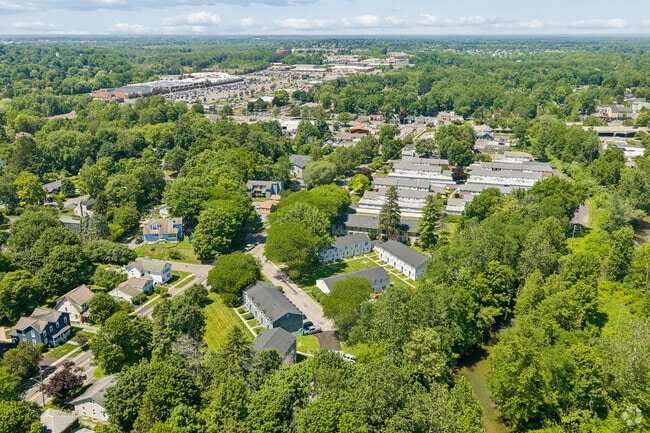
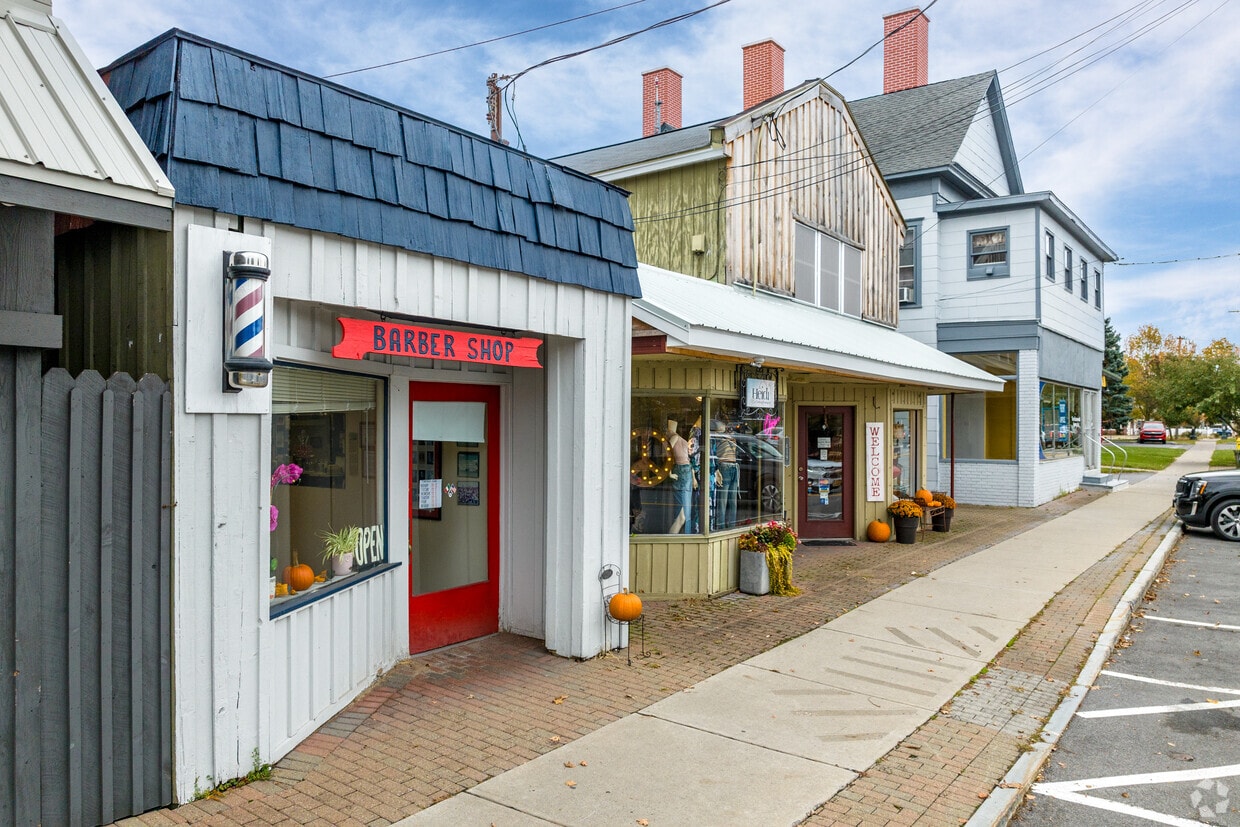
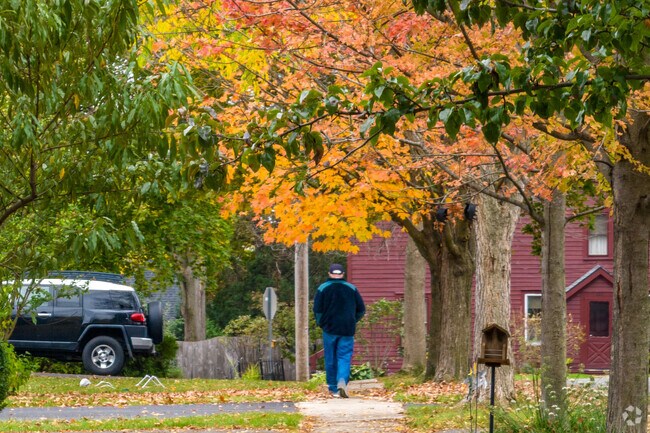
Named after Revolutionary War hero the Marquis de Lafayette, this small Onondaga County village carries a lived-in sense of history. Seven miles east of Syracuse, Fayetteville offers an easy city commute while maintaining its own downtown character. Brick sidewalks, early-1800s architecture, and a walkable stretch of boutiques and eateries give the village core a genuine small-town rhythm. Green spaces dot the area, with neighboring Manlius adding more outdoor recreation and dining options.
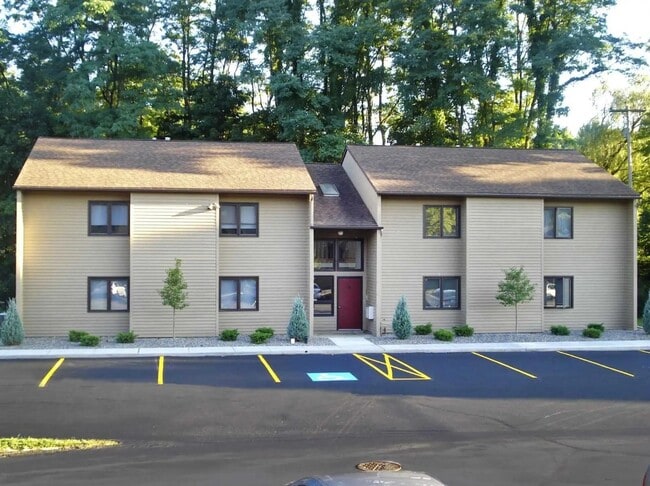
The rental landscape leans residential, with apartment communities, townhomes, and multi-family homes offering various layouts. The Genesee Street Hill-Limestone Plaza Historic District, listed on the National Register of Historic Places, showcases the village's architectural heritage. Syracuse University and area colleges are a short drive away, keeping culture, events, and energy within easy reach.
The two lakes at Green Lakes State Park are called Round and Green Lakes.
The Green Lakes State Park has 15 miles of trails for hikers and cross-country skiers.
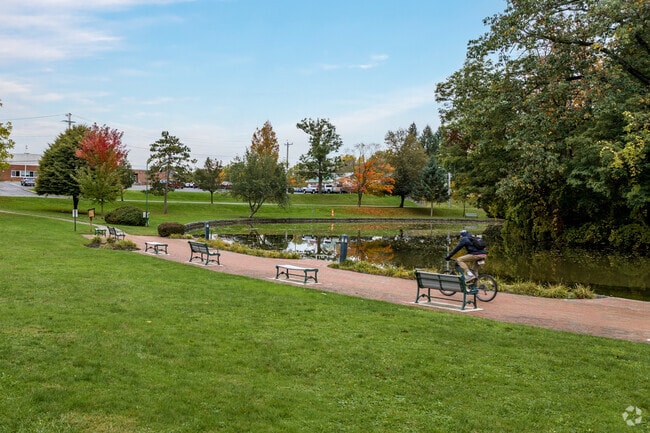
The Beard Park in Fayetteville is 5.8 acres and features a large pond.
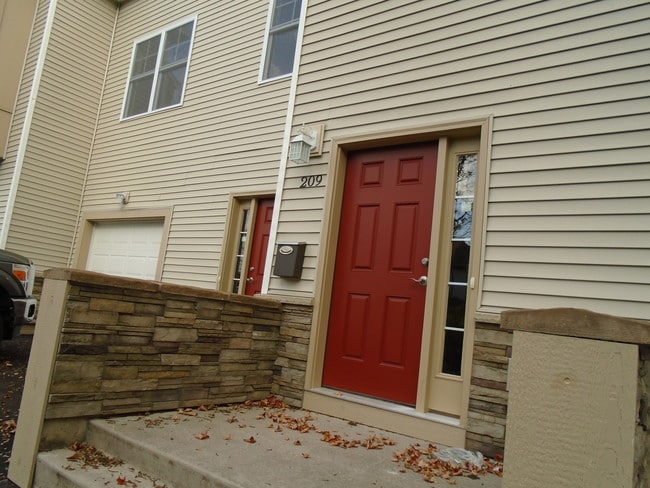
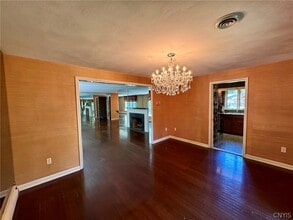
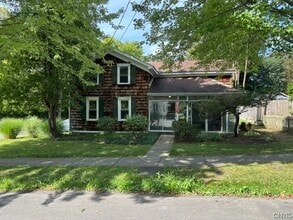
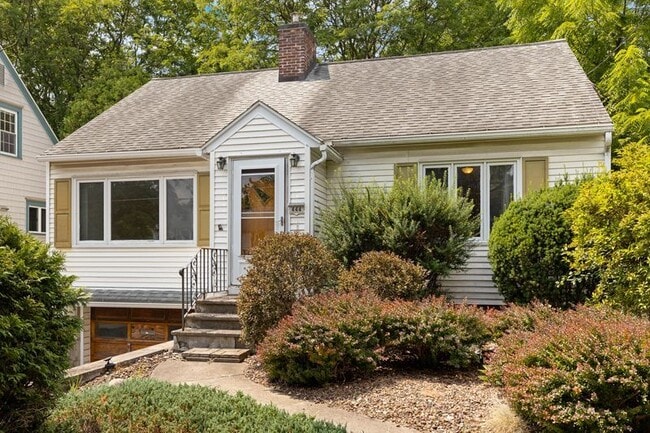
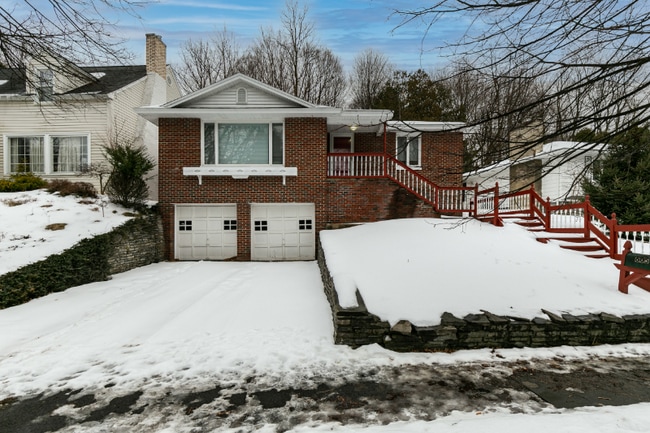
Many houses in Fayetteville are over 100 years old.
Cedar Bay Park in Fayetteville features a main walking path along the Erie Canal.
There are many benches you can sit and relax on at Green Lakes State Park in Fayetteville.
Median Household Income
$111,934
Average: $125,872
Education
1,881
Residents Have a Degree
Job Market
2,374
Workers Employed
Median Age
47 Years
Largest Age Group
60-69 Years
Approximately 14% of Residents
Under 20
22%
Over 65
26%
Housing Distribution
Fayetteville has more homeowners than renters.

Education Distribution
Review this city's overall education levels.

As of September 2026, the average apartment rent in Fayetteville, NY is $1,177 for one bedroom, $1,639 for two bedrooms, and $2,133 for three bedrooms. Apartment rent in Fayetteville has increased by 4.2% in the past year.
Explore how walkable, bikeable, drivable, and transit-friendly Fayetteville, NY is for everyday living.
Somewhat Walkable
Walkability
Minimal Public Transit
Transit
Very Drivable
Drivability
Fairly Bikeable
Bikeability

Public
Grades K-8
651 Students

Public
Grades K-5
493 Students

Fayetteville Elementary School
Public
Grades K-5
457 Students

Public
Grades K-8
651 Students
 The GreatSchools Rating helps parents compare schools within a state based on a variety of school quality indicators and provides a helpful picture of how effectively each school serves all of its students. Ratings are on a scale of 1 (below average) to 10 (above average) and can include test scores, college readiness, academic progress, advanced courses, equity, discipline and attendance data. We also advise parents to visit schools, consider other information on school performance and programs, and consider family needs as part of the school selection process.
View GreatSchools Rating Methodology
Data provided by
GreatSchools.org
© 2026. All rights reserved.
The GreatSchools Rating helps parents compare schools within a state based on a variety of school quality indicators and provides a helpful picture of how effectively each school serves all of its students. Ratings are on a scale of 1 (below average) to 10 (above average) and can include test scores, college readiness, academic progress, advanced courses, equity, discipline and attendance data. We also advise parents to visit schools, consider other information on school performance and programs, and consider family needs as part of the school selection process.
View GreatSchools Rating Methodology
Data provided by
GreatSchools.org
© 2026. All rights reserved.
† Our analysis of utilities, groceries, transportation, healthcare, home prices, and other goods and services is sourced from the Cost of Living Index, a respected benchmark published by the Council for Community and Economic Research (C2ER) that provides a thorough overview of living expenses across different regions.
Rent data is provided by CoStar Group’s Market Trend reports. As the industry leader in commercial real estate information, analytics, and news, CoStar conducts extensive research to produce and maintain a comprehensive database of commercial real estate information. We combine this data with public record to provide the most up-to-date rental information available.
Consumer goods, services, and home prices are sourced from the Cost of Living Index published by the Council for Community and Economic Research (C2ER). The data on this page is updated quarterly. It was last published in September 2026.
Demographic information comes from Neustar and combines detailed address data with U.S. Census and American Community Survey statistics to produce reliable local estimates.