Median Age
37 Years
Largest Age Group
25-34 Years
Approximately 14% of Residents
Under 20
27%
Over 65
17%
Avg Rent
$1,070
Population
56,788
Renter Mix
29% Rent
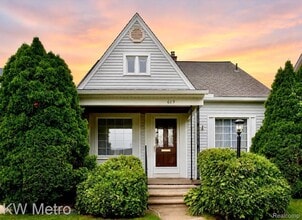
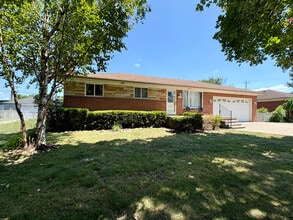
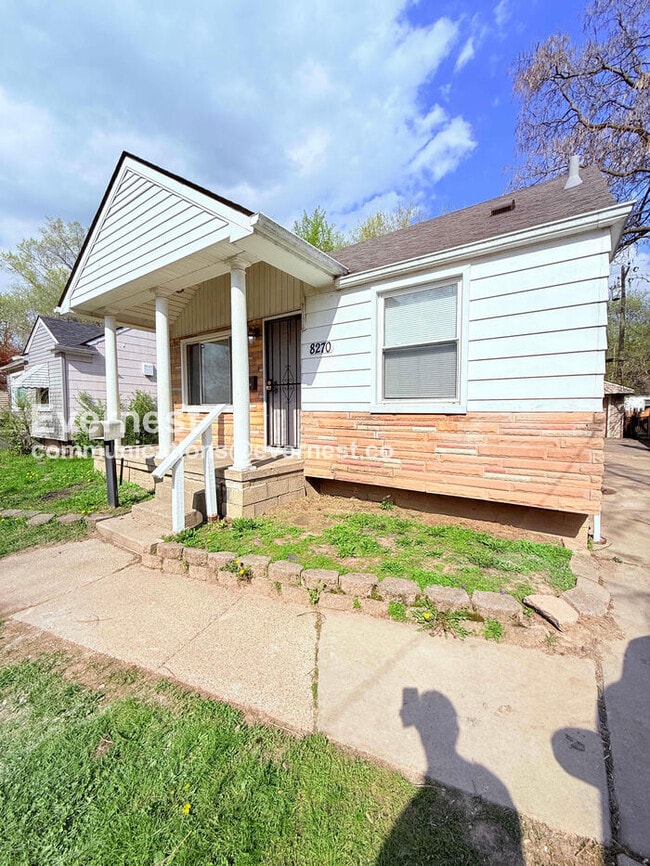
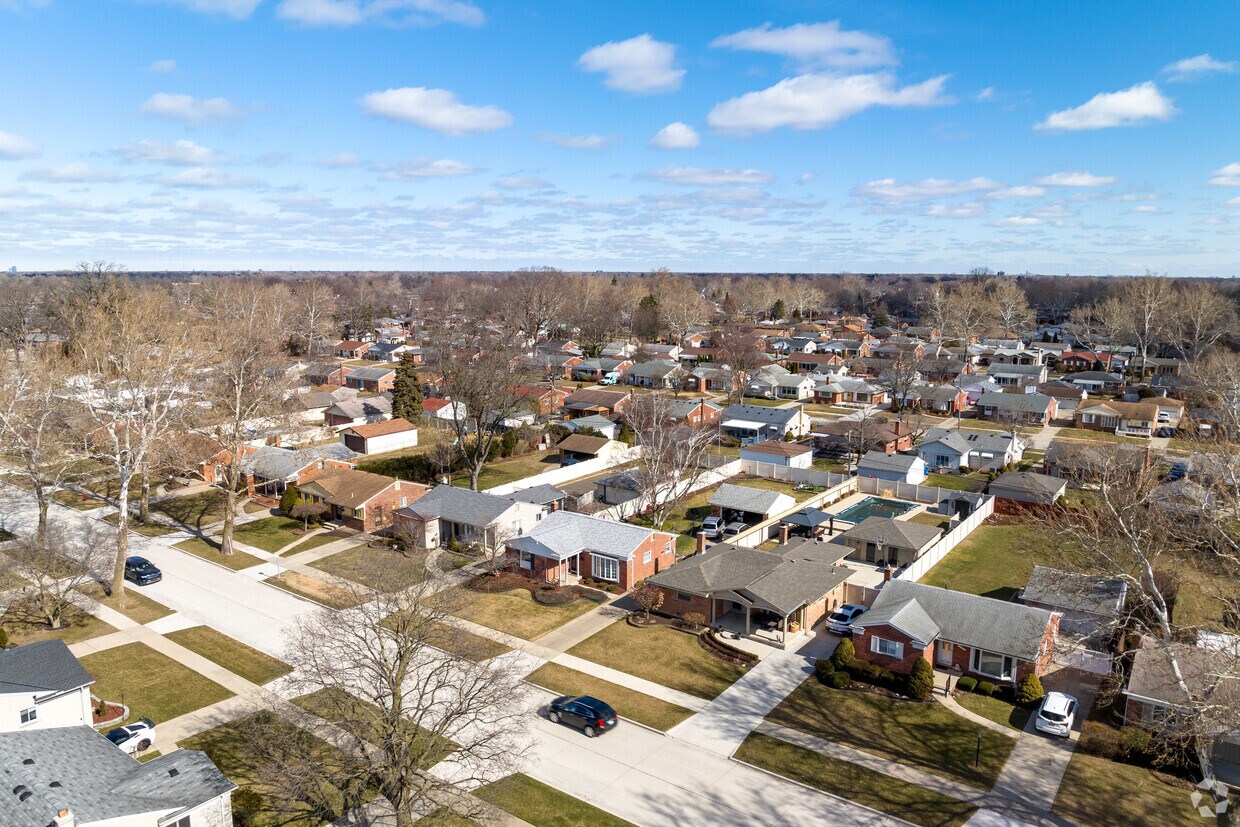
Dearborn Heights is a Wayne County suburb that sits comfortably between two of metro Detroit's busiest interstate corridors, giving residents quick access to the broader region without trading away a quieter pace of daily life. Incorporated in 1960 after a Michigan Supreme Court ruling settled a dispute with neighboring Inkster, the city carries a distinct inner-ring identity rooted in its close ties to Detroit and its position adjacent to Dearborn. Henry Ford College and the University of Michigan–Dearborn are both nearby, lending a steady educational presence that draws students and staff to the area. The city spans roughly 12 square miles and holds a population just under 57,000, with a density that keeps things lively without feeling overcrowded. Neighborhoods tend toward well-kept residential streets lined with single-family homes, though renters will find a solid mix of apartment communities and smaller multi-unit buildings throughout. The rental market leans toward one- and two-bedroom options at prices that sit below the state average, making it an accessible choice in an otherwise competitive metro. The annual Dearborn Heights Spirit Festival draws the community together each summer with live music, rides, and local food, reflecting a city that takes civic pride seriously.
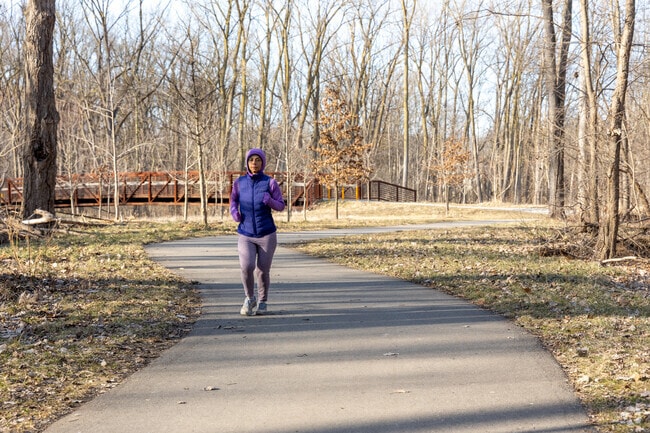
Run, bike, or walk through the many trails in Dearborn Heights.
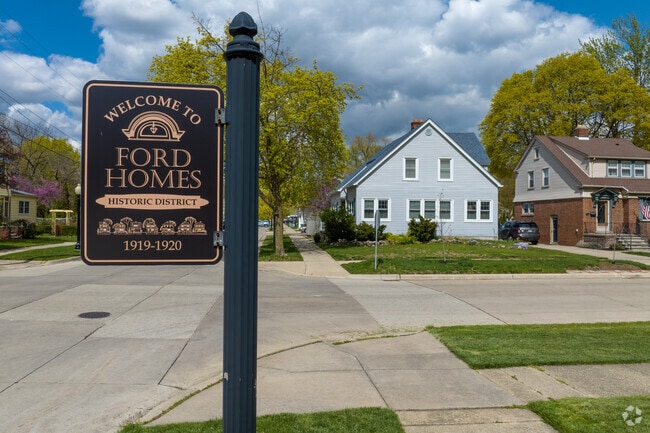
Welcome to Ford Homes Historic District in Dearborn Heights.
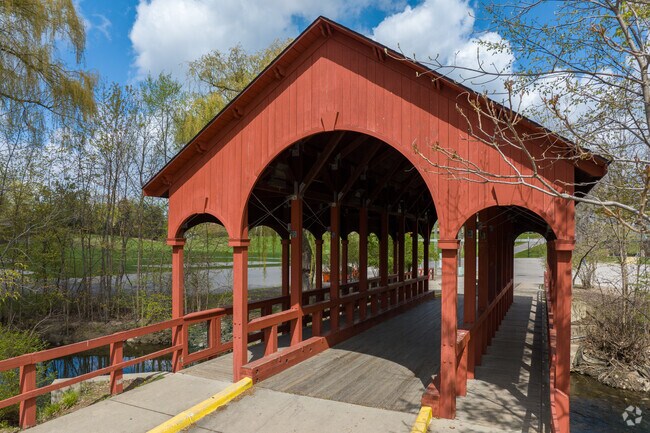
The Parkway Trail Bridge runs over the Rouge River in Dearborn Heights.
Parr Park in Dearborn Heights has multiple amenities such as a playground and wide open fields.
Rouge Park's River Rouge Park features a fun playground for local youth to visit.
Dearborn Heights residents enjoy the proximity to Fairlane Town Center for shopping.
Median Household Income
$59,117
Average: $77,288
Education
11,812
Residents Have a Degree
Job Market
24,340
Workers Employed
Median Age
37 Years
Largest Age Group
25-34 Years
Approximately 14% of Residents
Under 20
27%
Over 65
17%
Housing Distribution
Dearborn Heights has more homeowners than renters.

Education Distribution
Review this city's overall education levels.

As of September 2026, the average apartment rent in Dearborn Heights, MI is $1,070 for one bedroom, and $1,236 for two bedrooms. Apartment rent in Dearborn Heights has decreased by -2.4% in the past year.
Explore how walkable, bikeable, drivable, and transit-friendly Dearborn Heights, MI is for everyday living.
Moderately Walkable
Walkability
Limited Public Transit
Transit
Moderately Drivable
Drivability
Moderately Bikeable
Bikeability

Public
Grades PK-5
390 Students

Public
Grades K-5
513 Students

Howe Trainable Center And Montessori
Public
Grades PK-12
283 Students
Public
Grades PK-12
1,739 Students

Public
Grades PK-5
325 Students

Public
Grades 6-8
174 Students
Howe Trainable Center And Montessori
Public
Grades PK-12
283 Students
Public
Grades PK-12
1,739 Students
Public
Grades K-8
1,109 Students

Public
Grades 6-8
530 Students
Public
Grades 9-12
1,248 Students
Howe Trainable Center And Montessori
Public
Grades PK-12
283 Students
Public
Grades PK-12
1,739 Students
Public
Grades 9-12
309 Students
Public
Grades 9-12
750 Students

 The GreatSchools Rating helps parents compare schools within a state based on a variety of school quality indicators and provides a helpful picture of how effectively each school serves all of its students. Ratings are on a scale of 1 (below average) to 10 (above average) and can include test scores, college readiness, academic progress, advanced courses, equity, discipline and attendance data. We also advise parents to visit schools, consider other information on school performance and programs, and consider family needs as part of the school selection process.
View GreatSchools Rating Methodology
Data provided by
GreatSchools.org
© 2026. All rights reserved.
The GreatSchools Rating helps parents compare schools within a state based on a variety of school quality indicators and provides a helpful picture of how effectively each school serves all of its students. Ratings are on a scale of 1 (below average) to 10 (above average) and can include test scores, college readiness, academic progress, advanced courses, equity, discipline and attendance data. We also advise parents to visit schools, consider other information on school performance and programs, and consider family needs as part of the school selection process.
View GreatSchools Rating Methodology
Data provided by
GreatSchools.org
© 2026. All rights reserved.
† Our analysis of utilities, groceries, transportation, healthcare, home prices, and other goods and services is sourced from the Cost of Living Index, a respected benchmark published by the Council for Community and Economic Research (C2ER) that provides a thorough overview of living expenses across different regions.
Rent data is provided by CoStar Group’s Market Trend reports. As the industry leader in commercial real estate information, analytics, and news, CoStar conducts extensive research to produce and maintain a comprehensive database of commercial real estate information. We combine this data with public record to provide the most up-to-date rental information available.
Consumer goods, services, and home prices are sourced from the Cost of Living Index published by the Council for Community and Economic Research (C2ER). The data on this page is updated quarterly. It was last published in September 2026.
Demographic information comes from Neustar and combines detailed address data with U.S. Census and American Community Survey statistics to produce reliable local estimates.