Median Age
26 Years
Largest Age Group
20-29 Years
Approximately 39% of Residents
Under 20
24%
Over 65
8%
Avg Rent
$1,850
Population
34,407
Renter Mix
65% Rent
College Park, Maryland anchors itself around the University of Maryland's flagship campus, giving this Prince George's County city a steady pulse of research, innovation, and academic energy just outside Washington, D.C. Beyond the university, the city is home to notable federal institutions, including the National Archives at College Park and NOAA's Weather Prediction Center, alongside a growing cluster of technology companies in the Discovery District. That mix of government, higher education, and emerging tech gives College Park an economic identity few small cities can match.
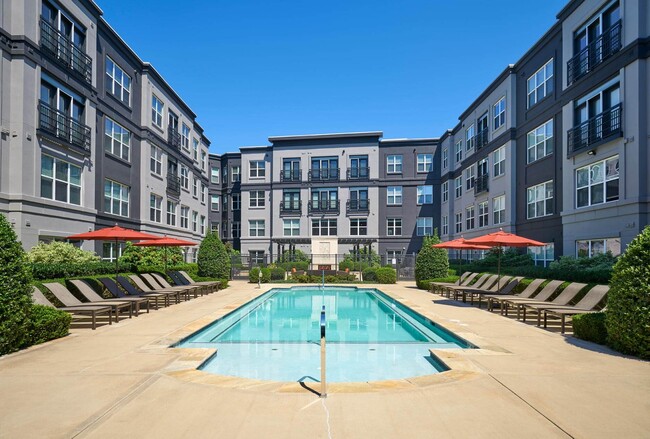
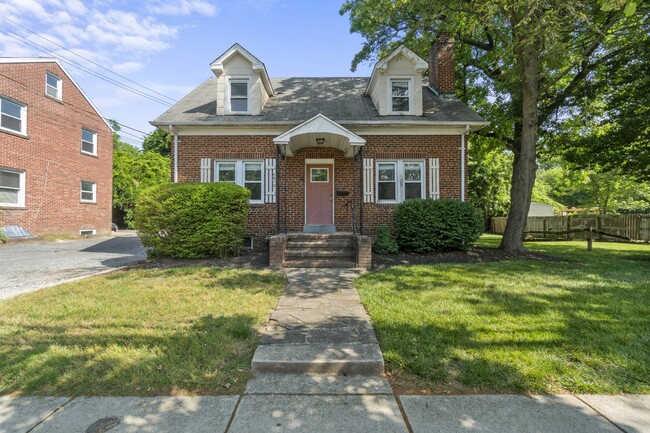
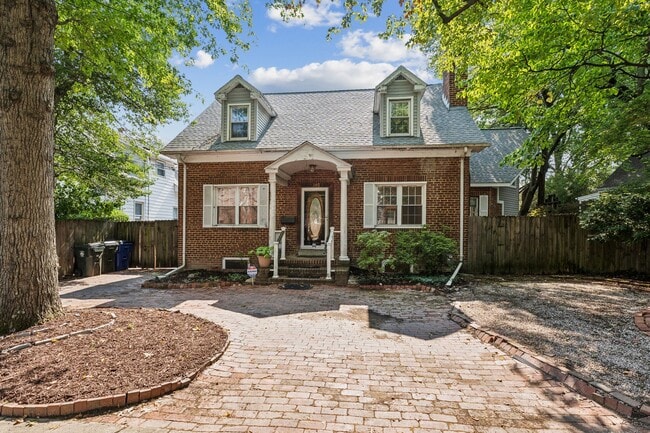
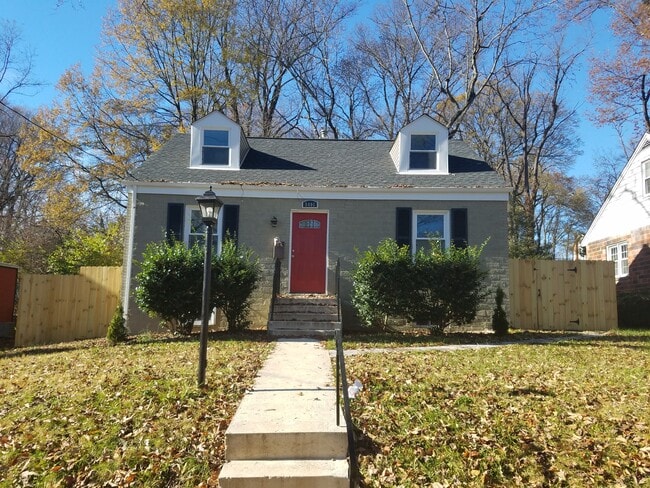
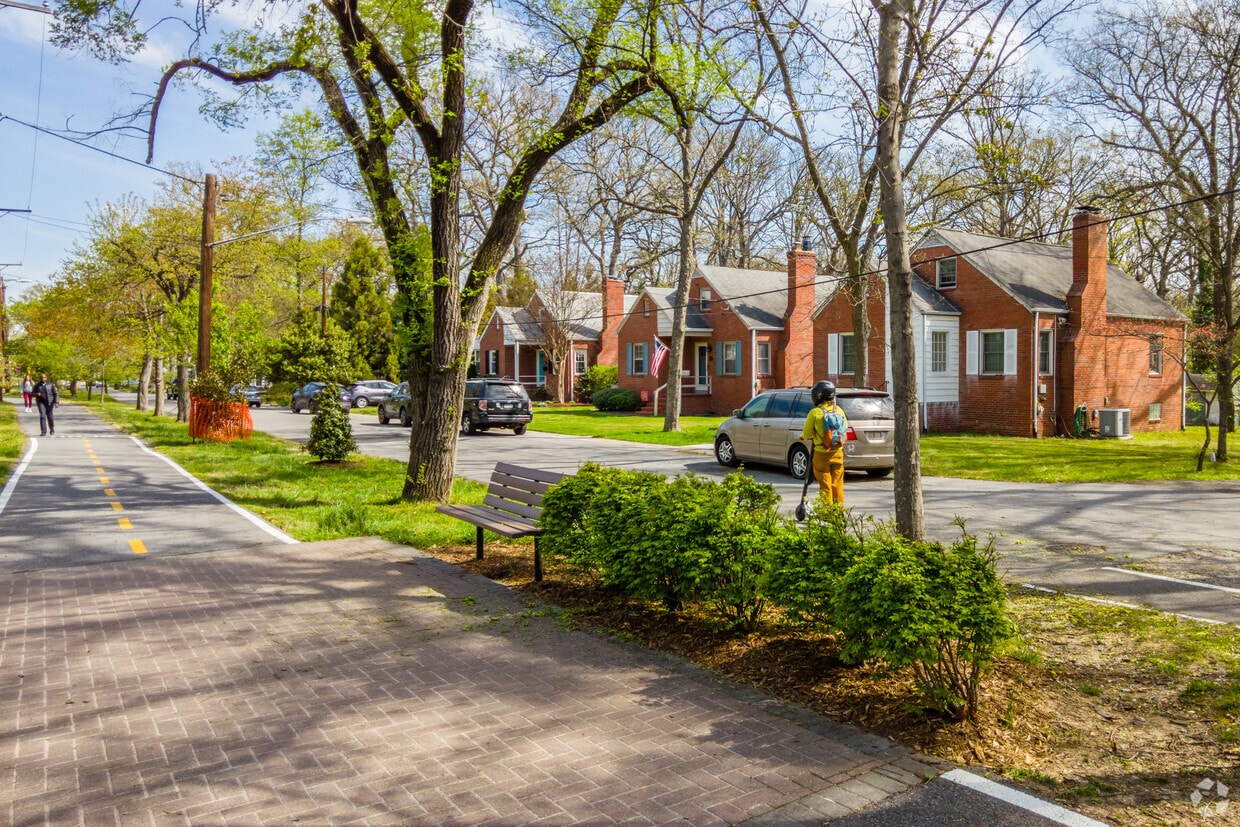
Neighborhoods here range from the tree-lined streets of Calvert Hills and Old Town to the newer mid-rise buildings near downtown and the Metro-accessible Lakeland area. Each pocket has its own character, yet all stay connected through trail networks like the Trolley Trail and the Anacostia Tributary system. Renters can choose from garden-style apartment communities, historic homes converted to rental units, and contemporary high-rises near campus. The College Park Airport, established in 1909, holds the distinction of being the world's oldest continuously operating airport — a grounding piece of history in a city that continues to look forward.
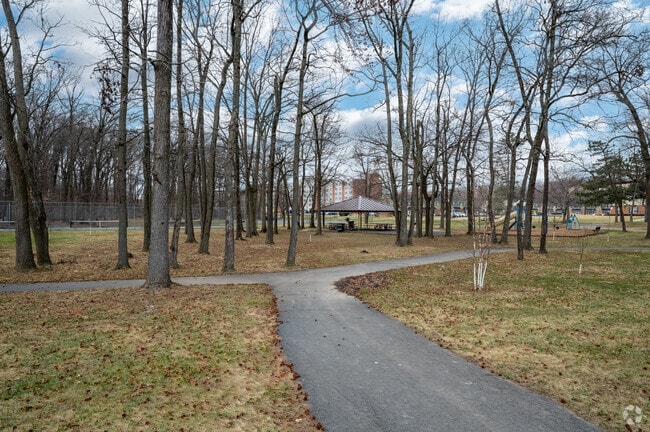
Parks with basketball and tennis courts dot College Park
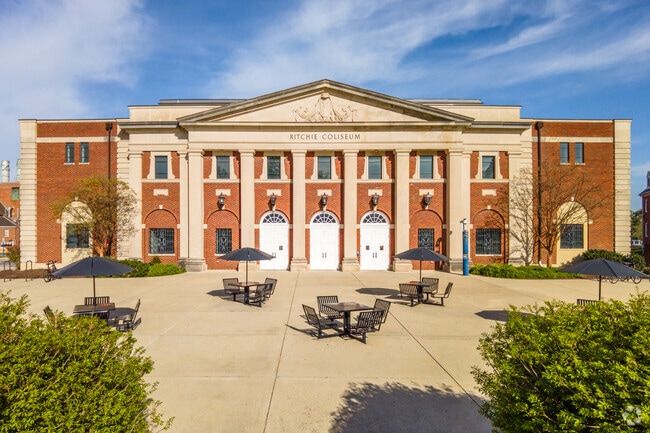
The Ritchie Coliseum Sports Complex is a multipurpose sports and music venue at the U of MD.
College Park Day
Go ice fishing at Lake Artemesia in College Park.
The Farmer's Market at Maryland occurs every week in spring and fall.
Median Household Income
$61,254
Average: $91,968
Education
11,575
Residents Have a Degree
Job Market
14,410
Workers Employed
Median Age
26 Years
Largest Age Group
20-29 Years
Approximately 39% of Residents
Under 20
24%
Over 65
8%
Housing Distribution
College Park has more renters than homeowners.

Education Distribution
Review this city's overall education levels.

As of September 2026, the average apartment rent in College Park, MD is $1,433 for a studio, $1,853 for one bedroom, $2,308 for two bedrooms, and $2,696 for three bedrooms. Apartment rent in College Park has decreased by -2.6% in the past year.
Explore how walkable, bikeable, drivable, and transit-friendly College Park, MD is for everyday living.
Fairly Walkable
Walkability
Some Public Transit
Transit
Exceptionally Drivable
Drivability
Moderately Bikeable
Bikeability

Public
Grades PK-5
484 Students

Public
Grades PK-5
297 Students

Public
Grades PK-5
357 Students

Paint Branch Elementary School
Public
Grades PK-5
357 Students
 The GreatSchools Rating helps parents compare schools within a state based on a variety of school quality indicators and provides a helpful picture of how effectively each school serves all of its students. Ratings are on a scale of 1 (below average) to 10 (above average) and can include test scores, college readiness, academic progress, advanced courses, equity, discipline and attendance data. We also advise parents to visit schools, consider other information on school performance and programs, and consider family needs as part of the school selection process.
View GreatSchools Rating Methodology
Data provided by
GreatSchools.org
© 2026. All rights reserved.
The GreatSchools Rating helps parents compare schools within a state based on a variety of school quality indicators and provides a helpful picture of how effectively each school serves all of its students. Ratings are on a scale of 1 (below average) to 10 (above average) and can include test scores, college readiness, academic progress, advanced courses, equity, discipline and attendance data. We also advise parents to visit schools, consider other information on school performance and programs, and consider family needs as part of the school selection process.
View GreatSchools Rating Methodology
Data provided by
GreatSchools.org
© 2026. All rights reserved.
† Our analysis of utilities, groceries, transportation, healthcare, home prices, and other goods and services is sourced from the Cost of Living Index, a respected benchmark published by the Council for Community and Economic Research (C2ER) that provides a thorough overview of living expenses across different regions.
Rent data is provided by CoStar Group’s Market Trend reports. As the industry leader in commercial real estate information, analytics, and news, CoStar conducts extensive research to produce and maintain a comprehensive database of commercial real estate information. We combine this data with public record to provide the most up-to-date rental information available.
Consumer goods, services, and home prices are sourced from the Cost of Living Index published by the Council for Community and Economic Research (C2ER). The data on this page is updated quarterly. It was last published in September 2026.
Demographic information comes from Neustar and combines detailed address data with U.S. Census and American Community Survey statistics to produce reliable local estimates.