Best Neighborhoods in Cincinnati for Renters
Don’t know where to start your Cincinnati rental search? Here are five Cincinnati neighborhoods perfect for renters.





Avg Rent
$1,151
Population
326,888
Renter Mix
65% Rent
Cincinnati sits on the northern bank of the Ohio River, where rolling hills meet a city that helped establish the Midwest long before other major metros existed. Settled in 1788, the Queen City sits west of the Appalachian Mountains and combines historic culture with urban living. Today, neighborhoods like Over-the-Rhine, Hyde Park, and Mount Adams each bring a distinct character to city life. Over-the-Rhine is packed with restored 19th-century architecture, Findlay Market, and Music Hall. Mount Adams perches beside Eden Park with stunning river views, while Hyde Park Square draws locals and tourists alike with local cafes and walkable streets.
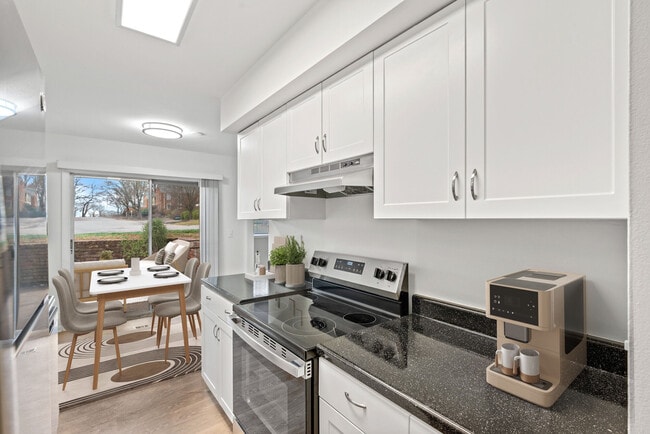
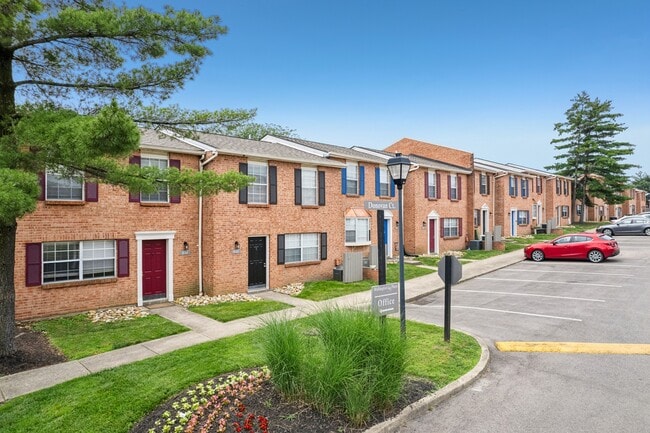
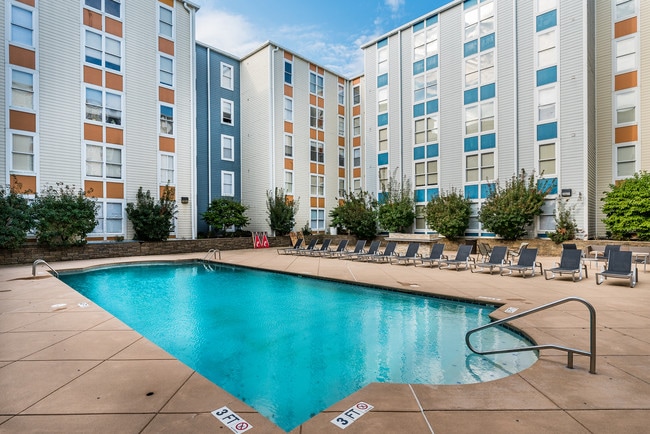
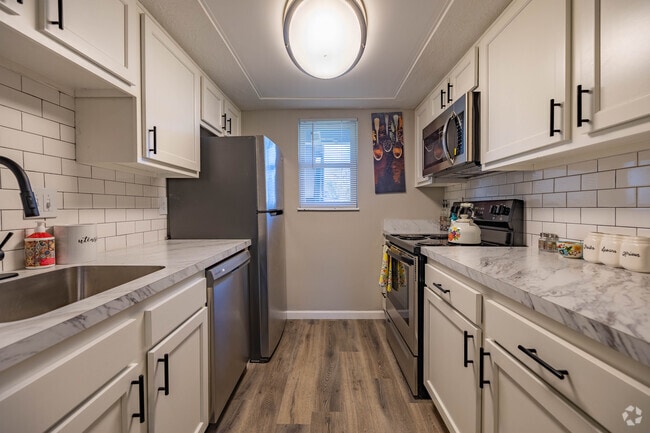
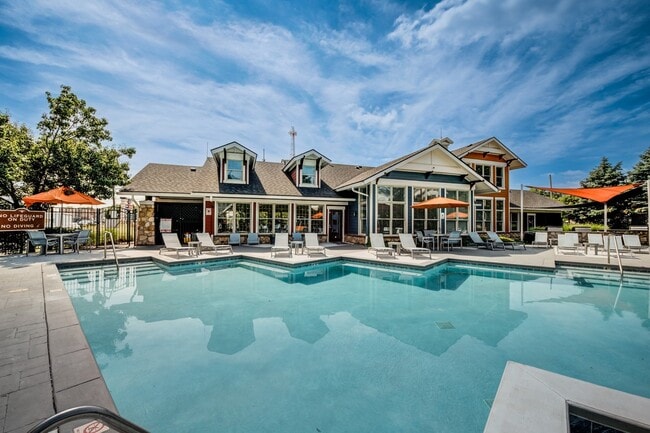
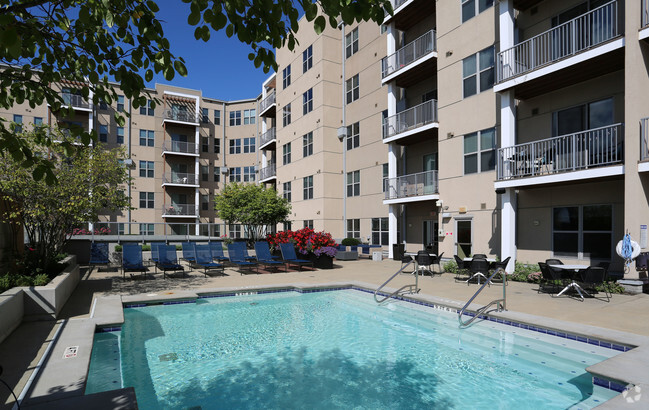
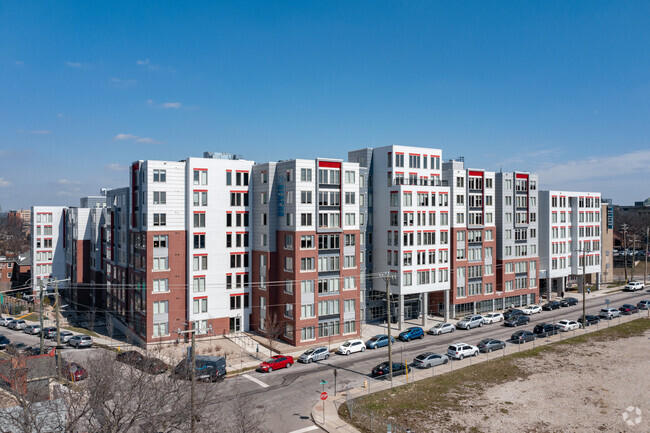
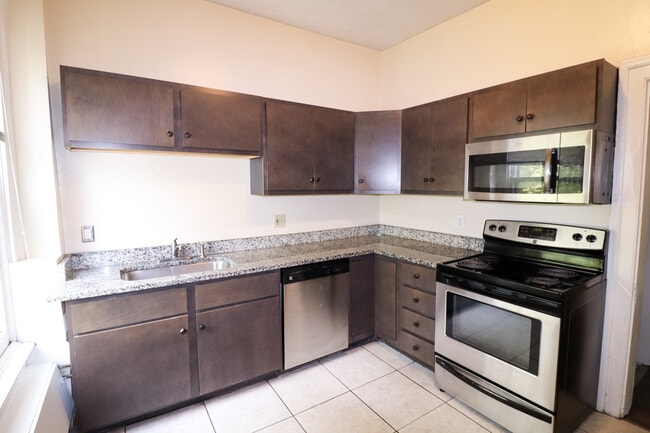
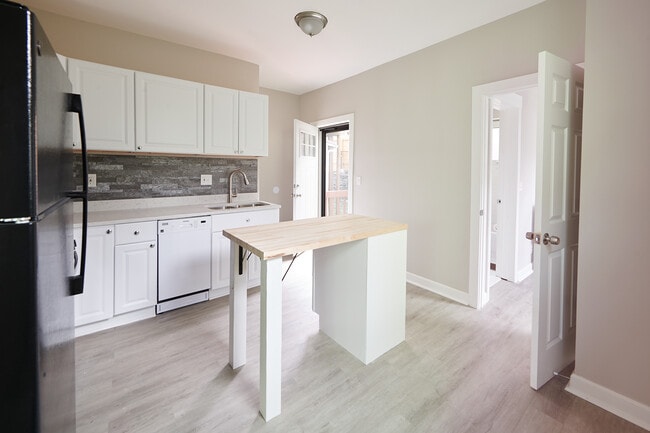
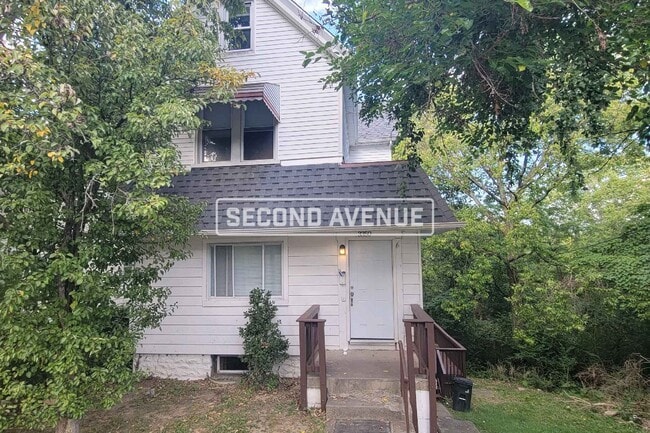
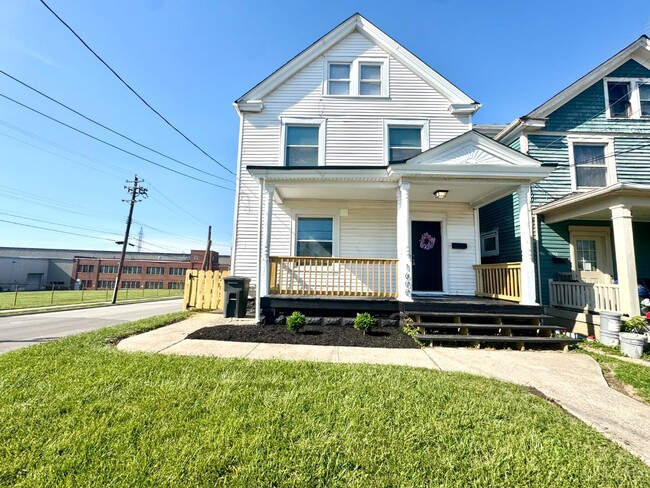
Renters will find a wide range of housing options across the city, from converted lofts and townhouses in Over-the-Rhine to sleek high-rise apartment communities along the riverfront at The Banks. Clifton and Oakley offer everything from charming older buildings to newer developments with modern amenities. The University of Cincinnati borders the Clifton neighborhood and adds an academic pulse to an already lively metro.
Cincinnati's annual Oktoberfest Zinzinnati is one of the largest celebrations of its kind outside of Munich, a nod to the deep German heritage woven into the city's identity.
Evening view of the city
Cincinnati is home to one of the nation's top universities, to University of Cincinnati.
Cheer on the Cincinnati Reds at the Great American Ball Park
The historic John A. Roebling Suspension Bridge opened in 1866
Waterfall at the Cincinnati Zoo
Median Household Income
$48,227
Average: $76,339
Education
104,636
Residents Have a Degree
Job Market
163,745
Workers Employed
Median Age
35 Years
Largest Age Group
25-34 Years
Approximately 18% of Residents
Under 20
25%
Over 65
15%
Housing Distribution
Cincinnati has more renters than homeowners.

Education Distribution
Review this city's overall education levels.

As of September 2026, the average apartment rent in Cincinnati, OH is $1,070 for a studio, $1,152 for one bedroom, $1,439 for two bedrooms, and $1,740 for three bedrooms. Apartment rent in Cincinnati has increased by 1.5% in the past year.
The cost of living in Cincinnati, OH is 3.7% lower than the national average. Generally, housing in Cincinnati is 11.9% less expensive than the national average, with rent falling between $1,070 - $1,740. You can expect to pay 1.6% more for groceries, 1.3% less for utilities, and 2.9% less for transportation.
Compare Cities

Best Neighborhoods in Cincinnati for Renters
Don’t know where to start your Cincinnati rental search? Here are five Cincinnati neighborhoods perfect for renters.

Five Most Affordable Neighborhoods in Cincinnati, OH
If you're thinking about making a move to the Queen City, check out some of the most affordable neighborhoods in the area.

How Much Space Does $1,500 Get You in Cincinnati, OH?
Moving to Cincinnati? You'll find a more affordable cost of living compared to many other major U.S. cities.
Explore how walkable, bikeable, drivable, and transit-friendly Cincinnati, OH is for everyday living.
Fairly Walkable
Walkability
Some Public Transit
Transit
Exceptionally Drivable
Drivability
Fairly Bikeable
Bikeability

Public
Grades K-5
574 Students

Public
Grades K-5
849 Students

Public
Grades PK-5
698 Students
Public
Grades K-5
539 Students
Public
Grades K-5
538 Students
Public
Grades 6-12
2,445 Students
Public
Grades 6-8
1,089 Students
Public
Grades 6-8
611 Students
Public
Grades 6-8
520 Students
Public
Grades 6-8
220 Students
Public
Grades 6-12
2,445 Students
Public
Grades 9-12
1,602 Students
Public
Grades 9-12
611 Students
Public
Grades 9-12
437 Students
Public
Grades 9-12
433 Students
 The GreatSchools Rating helps parents compare schools within a state based on a variety of school quality indicators and provides a helpful picture of how effectively each school serves all of its students. Ratings are on a scale of 1 (below average) to 10 (above average) and can include test scores, college readiness, academic progress, advanced courses, equity, discipline and attendance data. We also advise parents to visit schools, consider other information on school performance and programs, and consider family needs as part of the school selection process.
View GreatSchools Rating Methodology
Data provided by
GreatSchools.org
© 2026. All rights reserved.
The GreatSchools Rating helps parents compare schools within a state based on a variety of school quality indicators and provides a helpful picture of how effectively each school serves all of its students. Ratings are on a scale of 1 (below average) to 10 (above average) and can include test scores, college readiness, academic progress, advanced courses, equity, discipline and attendance data. We also advise parents to visit schools, consider other information on school performance and programs, and consider family needs as part of the school selection process.
View GreatSchools Rating Methodology
Data provided by
GreatSchools.org
© 2026. All rights reserved.
† Our analysis of utilities, groceries, transportation, healthcare, home prices, and other goods and services is sourced from the Cost of Living Index, a respected benchmark published by the Council for Community and Economic Research (C2ER) that provides a thorough overview of living expenses across different regions.
Rent data is provided by CoStar Group’s Market Trend reports. As the industry leader in commercial real estate information, analytics, and news, CoStar conducts extensive research to produce and maintain a comprehensive database of commercial real estate information. We combine this data with public record to provide the most up-to-date rental information available.
Consumer goods, services, and home prices are sourced from the Cost of Living Index published by the Council for Community and Economic Research (C2ER). The data on this page is updated quarterly. It was last published in September 2026.
Demographic information comes from Neustar and combines detailed address data with U.S. Census and American Community Survey statistics to produce reliable local estimates.