Carmel

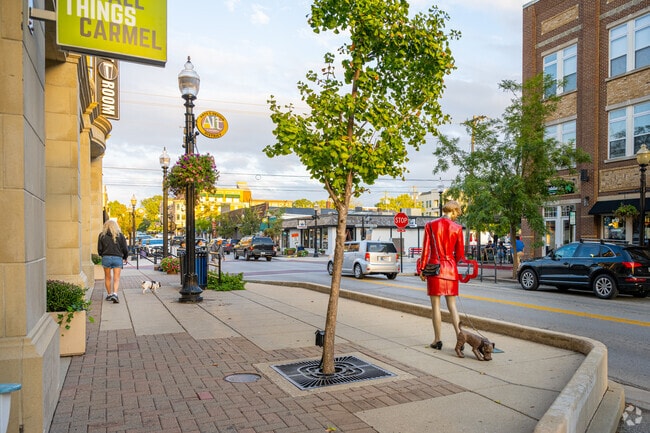
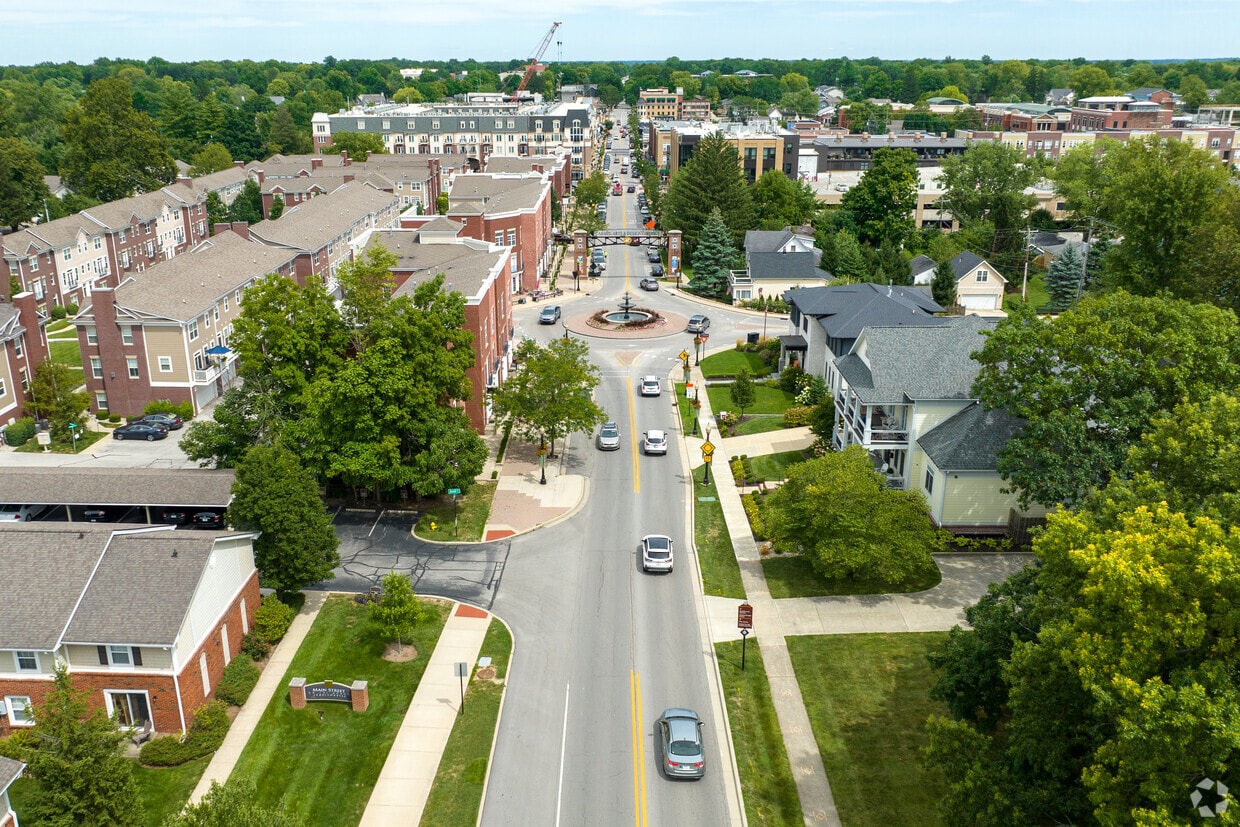
Overview of Main Street in Downtown Carmel.
Downtown Carmel is a popular spot to take your furry friend for a walk.
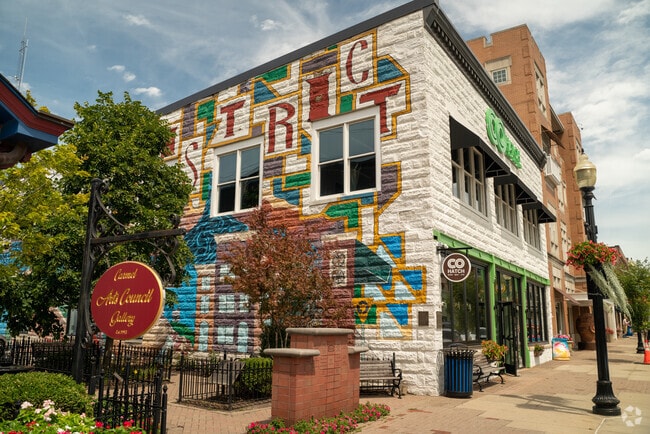
The Art District, in Downtown Carmel, features paintings over buildings.
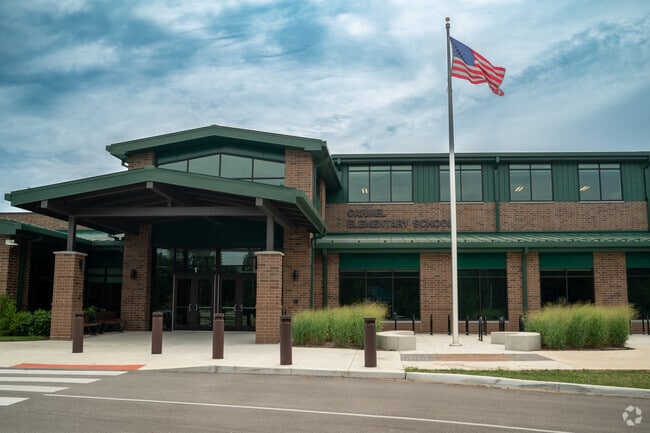
Carmel School in Downtown Carmel instills respect, responsibility, and resilience in kids.
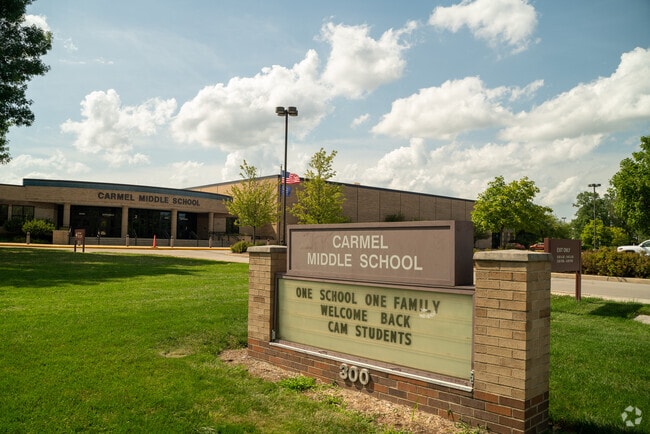
Carmel Middle School in Downtown Carmel emphasizes scholastic achievement.

Carmel, IN Area Guide

Avg Rent

$1,531

Population

108,425

Renter Mix

27% Rent

Superior amenities await you in this fascinating suburbia

Suburb Golf Great Schools Restaurants

Carmel sits directly north of Indianapolis, operating more like a self-contained city than a typical suburb, with its own arts district, performing arts center, and a growing corridor of employers along the Meridian Street spine. The Palladium at the Center for the Performing Arts anchors a downtown that also includes the Arts and Design District, where galleries, boutiques, and restaurants line Main Street and Rangeline Road. The Monon Trail threads through the heart of the city, connecting Midtown Plaza, City Center, and a series of parks across more than 50 square miles. Neighborhoods range from the walkable, mixed-use energy of City Center and the Old Meridian District to quieter, tree-lined pockets in East Carmel near Hazel Dell and Brookshire. Carmel has constructed over 150 roundabouts since 1997, a deliberate infrastructure choice that keeps traffic moving and has become one of the city's most recognized characteristics. Renters will find a range of options across well-maintained apartment communities, townhome-style rentals, and newer mixed-use buildings near the trail and downtown core. Indianapolis is roughly 20 to 30 minutes south, but many residents find that Carmel's own job base, cultural amenities, and retail options make leaving town optional on most days.

Explore the City

This overview of Midtown Plaza in Downtown Carmel shows how big of an area it is.

Carmel High School in Downtown Carmel provides students with a unique and learning environment.

Carmel School in Downtown Carmel instills respect, responsibility, and resilience in kids.

Carmel Middle School in Downtown Carmel emphasizes scholastic achievement.

The Art District, in Downtown Carmel, features paintings over buildings.

Many of the roundabouts in East Carmel feature colorful sculptures.

Demographics

Median Household Income

$121,313

Average: $153,097

Education

60,307

Residents Have a Degree

Job Market

61,248

Workers Employed

Age Distribution
Get a sense of this area's population profile.

Median Age

41 Years

Largest Age Group

45-54 Years

Approximately 14% of Residents

Under 20

24%

Over 65

17%
Housing Distribution

Carmel has more homeowners than renters.

Renters
27%
Non-Renters
73%

Education Distribution

Review this city's overall education levels.

Bachelor's or Higher
51%
Other Education
49%

Rent Trends

As of April 2026, the average apartment rent in Carmel, IN is $1,538 for a studio, $1,523 for one bedroom, $1,829 for two bedrooms, and $2,220 for three bedrooms. Apartment rent in Carmel has increased by 0.1% in the past year.

Property Type
Average Rent
Average Sq Ft
Apartment
$1,523/month
789 Sq Ft
House
$3,749/month
2,556 Sq Ft
Condo
$1,964/month
1,372 Sq Ft
Townhome
$2,564/month
1,867 Sq Ft
See Rental Market Trends in Carmel, IN

Getting Around

Moderately Walkable

Walkability

60 / 100

Moderately Drivable

Drivability

70 / 100

Moderately Bikeable

Bikeability

60 / 100

Schools

Prairie Trace Elementary School

Public

Grades K-5

697 Students

Cherry Tree Elementary School

Public

Grades PK-5

697 Students

Smoky Row Elementary School

Public

Grades PK-5

675 Students

College Wood Elementary School

Public

Grades K-5

644 Students

West Clay Elementary School

Public

Grades K-5

599 Students

Creekside Middle School

Public

Grades 6-8

1,349 Students

Clay Middle School

Public

Grades 6-8

1,423 Students

Carmel Middle School

Public

Grades 6-8

1,064 Students

Options Westfield

Public

Grades 6-12

228 Students

Carmel High School

Public

Grades 9-12

5,192 Students

Options Westfield

Public

Grades 6-12

228 Students

Points of Interest

Parks and Recreation

  • Monon Trail
  • Cool Creek Park & Nature Center
  • Town Run Trail Park
  • Coxhall Gardens
  • Wapihani Nature Preserve

Commuter Rail

Military Bases

Airports

  • Indianapolis International

Top Apartments in Carmel

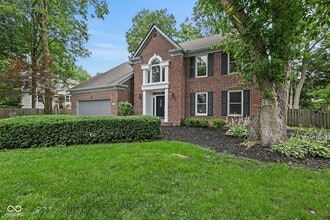
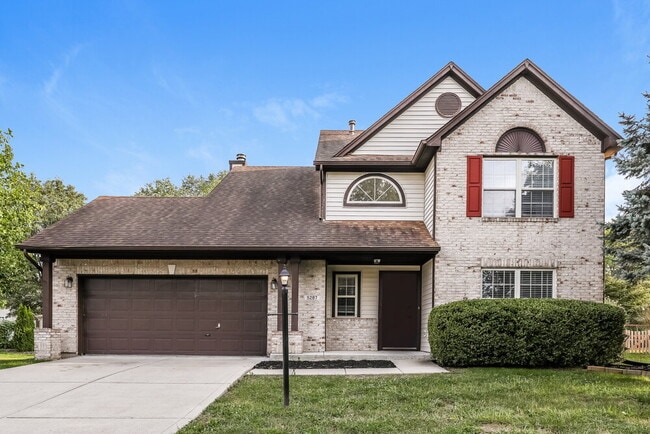
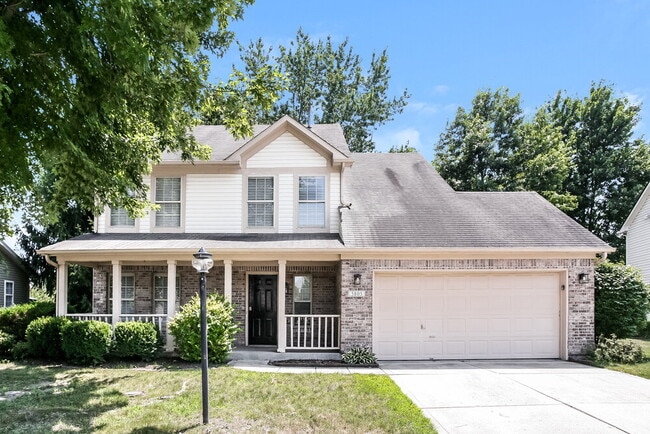
Houses for Rent in Carmel

Property Management Companies in Carmel, IN

Living in Carmel

History

-

Carmel traces its origins to the 1820s, when the government opened lands for sale and farmers began settling along the west bank of the White River. Quakers arrived in 1837, and European settlers established a post office in 1846 in the town then known as Bethlehem. Residents voted to change the name to Carmel in 1874, and the arrival of the Monon Railroad in 1882 accelerated growth and commerce. Today, the Monon Trail follows portions of that former rail corridor, threading through neighborhoods and commercial districts as one of the city's most used public amenities.

Woodys Library Restaurant occupies a Carnegie-style library built in 1913 on Main Street, offering diners a glimpse of the city's early civic architecture. The Museum of Miniature Houses displays over 600 dollhouses and room boxes, with rotating exhibits throughout the year. The Arts and Design District hosts the Carmel International Arts Festival each September, bringing more than 130 artisans to the area. Carmel has evolved from an agricultural settlement into a corporate and residential center, with infrastructure choices like its 155 roundabouts reflecting deliberate planning over the past few decades.

Restaurants

-

Carmel's dining scene is anchored in the Arts and Design District, where Main Street and Rangeline Road draw a mix of locally owned restaurants covering American comfort food, Thai, Italian, Mexican, and more. The walkable City Center development adds another cluster of options, from brunch spots to shared-plates dining, along with craft ice cream and casual pubs. Woody's Library Restaurant, a downtown Carmel fixture since 1998, has long served as a gathering place for residents seeking familiar fare in a distinctive historic setting. Additional dining options extend along U.S. Highway 31 and throughout the city's commercial corridors, giving newcomers a broad range of choices without venturing far from home.

Transportation

-

Carmel is a car-friendly suburb where most residents drive to get around. The city's road network is built around US-31 (Meridian Street) running north-south along the western corridor and Keystone Parkway on the east side, with I-465 accessible from both routes along the southern edge of the city. Carmel is widely known for its 155 roundabouts, which keep traffic moving and reduce the stop-and-go congestion common in other suburbs. Commutes to downtown Indianapolis typically run 20 to 30 minutes, and Indianapolis International Airport is roughly 40 minutes away via I-465. For cyclists and pedestrians, the Monon Trail serves as the city's main north-south spine, connecting neighborhoods from south Carmel through Midtown and the Arts and Design District all the way north. Dedicated bike lanes run east-west along 116th, 126th, Main, and 136th Streets, with north-south cycling options on Towne, Ditch, Spring Mill, and Oak Ridge Roads. Hamilton County Express provides limited point-to-point transit service, though most residents rely on personal vehicles for daily errands and commuting.

Parks

-

Carmel's park system covers more than 500 acres and gives residents a wide range of outdoor options. The Monon Trail serves as the backbone of the city's green infrastructure, running north to south through the heart of Carmel and connecting neighborhoods, the Arts and Design District, and Midtown Plaza for walking, running, and cycling. Coxhall Gardens offers paved walking trails, a stocked fishing pond, a playground, and an outdoor pavilion that hosts live jazz and blues concerts each September. Founders Park on the east side includes a pavilion, playground, and walking paths, while West Park features an expansive playscape for children. The Japanese Garden at City Hall provides a quiet retreat near downtown, and the Monon Community Center adds an indoor water park and fitness facilities for year-round recreation.

Cost

-

Carmel carries a higher cost of living than most of Indiana, reflecting its reputation as one of the state's most affluent communities. The median household income sits at $121,313, well above state and national norms, and rental prices trend accordingly. One-bedroom apartments average around $1,530 per month, two-bedrooms around $1,844, and three-bedrooms approximately $2,200, each notably higher than the Indiana statewide average of $1,127 for a one-bedroom. Rental pricing varies by area, with newer construction near the Arts and Design District and mixed-use corridors generally commanding higher rents than quieter residential pockets further from the city core. The housing mix includes single-family homes, townhomes, and apartment communities, giving renters a range of options at different price points across the city.

Shopping

-

Carmel's retail landscape is anchored by Clay Terrace, an open-air lifestyle center in the northern part of the city that draws shoppers with a mix of national brands, local boutiques, and dining options in a walkable outdoor setting. On the southern edge, The Fashion Mall at Keystone offers an upscale indoor shopping experience with well-known retailers and restaurants along the Keystone Parkway corridor. The Arts and Design District along Main Street and Rangeline Road adds a more boutique-oriented retail character, with galleries, gift shops, and specialty stores woven into a pedestrian-friendly streetscape. The Carmel Farmers Market, held on Saturday mornings and operating year-round, brings together more than 60 vendors and reinforces the city's strong sense of local community. Each September, the Carmel International Arts Festival invites over 130 artisans to the Arts and Design District, giving residents a seasonal destination for handcrafted goods alongside the everyday retail options spread throughout the city.

Search Nearby Rentals

Methodology

† Our analysis of utilities, groceries, transportation, healthcare, home prices, and other goods and services is sourced from the Cost of Living Index, a respected benchmark published by the Council for Community and Economic Research (C2ER) that provides a thorough overview of living expenses across different regions.

Rent data is provided by CoStar Group’s Market Trend reports. As the industry leader in commercial real estate information, analytics, and news, CoStar conducts extensive research to produce and maintain a comprehensive database of commercial real estate information. We combine this data with public record to provide the most up-to-date rental information available.

Consumer goods, services, and home prices are sourced from the Cost of Living Index published by the Council for Community and Economic Research (C2ER). The data on this page is updated quarterly. It was last published in February 2026.

Demographic information comes from Neustar and combines detailed address data with U.S. Census and American Community Survey statistics to produce reliable local estimates.