Median Age
43 Years
Largest Age Group
55-64 Years
Approximately 15% of Residents
Under 20
22%
Over 65
19%


Avg Rent
$2,710
Population
11,964
Renter Mix
22% Rent
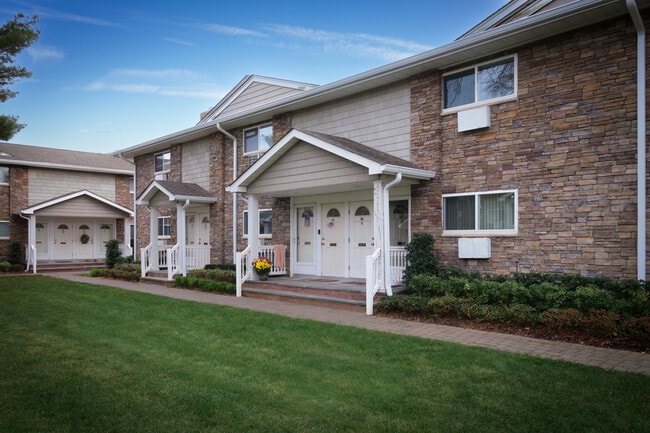
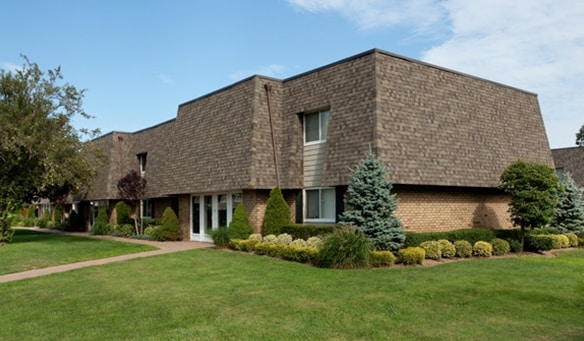
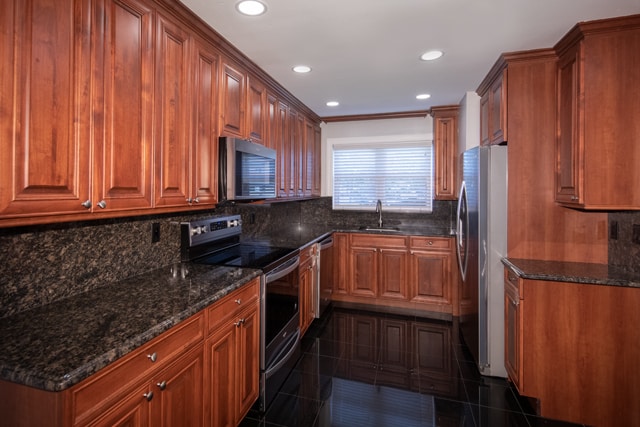
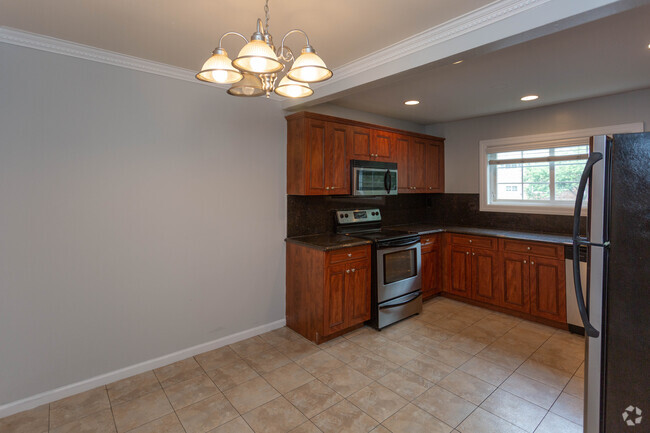
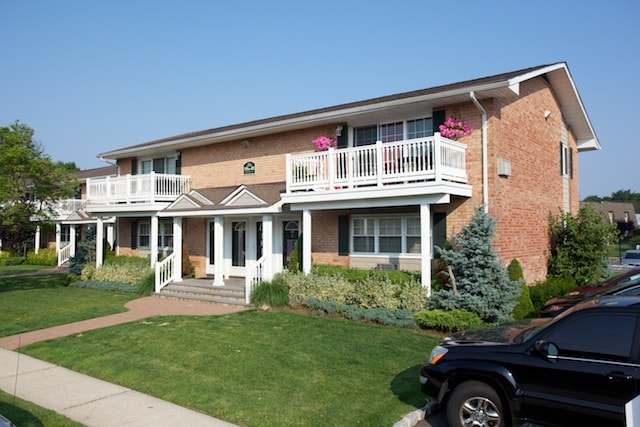
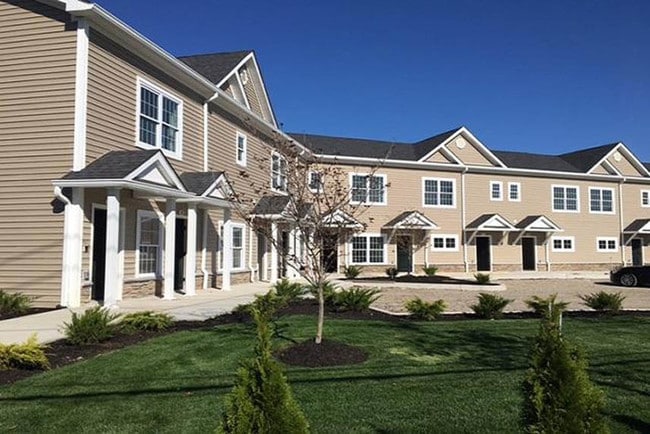
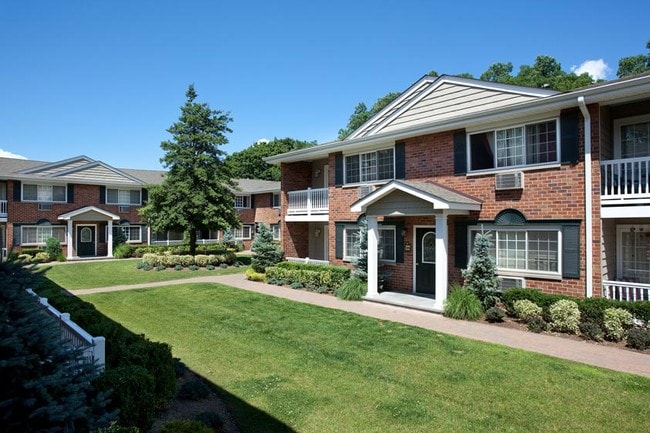
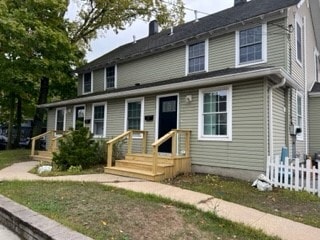
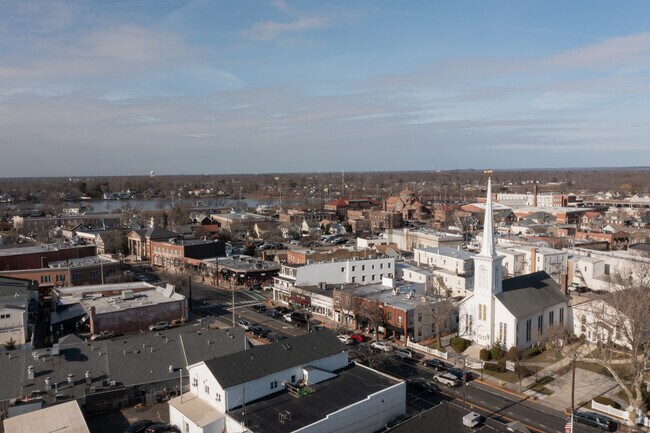
Sitting on Long Island's south shore about 40 miles from Manhattan, the Village of Babylon has a downtown that still feels like a well-kept secret compared to flashier New York suburbs. Flower baskets hang from antique lampposts along Main Street, locally owned shops fill the brick-sidewalk corridors, and the Great South Bay defines the southern horizon. The Long Island Rail Road connects residents to Penn Station in roughly an hour, making it a genuinely workable base for commuters who want distance from the city without losing access to it. Water shapes everyday life here: marinas, fingertip canals, and proximity to Robert Moses State Park and Fire Island keep the calendar full year-round. The Town of Babylon, which encompasses several villages and hamlets, was formally established in 1872 and carries that long history in its architecture and community character. The rental market leans toward smaller apartment communities, garden-style buildings, and converted units in residential neighborhoods rather than high-rises. Studios and one-bedroom apartments make up most of the available inventory, with two-bedroom options offering more space for those who need it. Rents here run above the national average, reflecting both the coastal setting and the regional pull of the New York metro area.
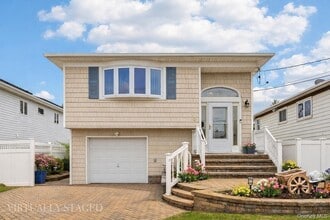
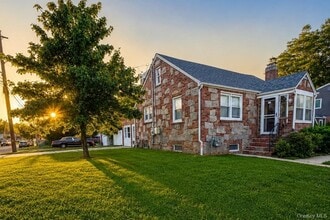
Waterfront homes surround Babylon, New York, creating a beautiful destination.
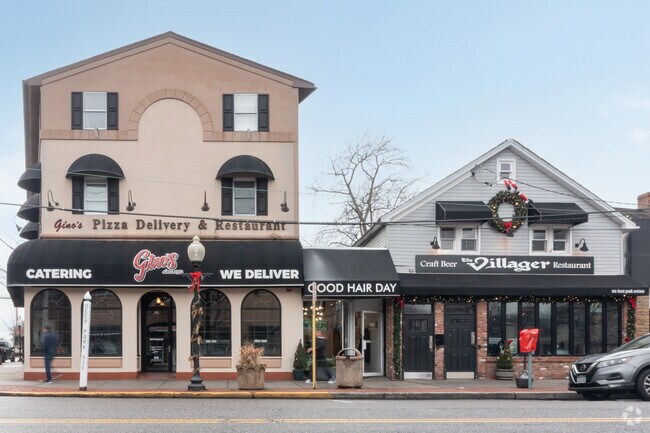
Restaurants line a strip in Babylon for locals and visitors to grab a bite.
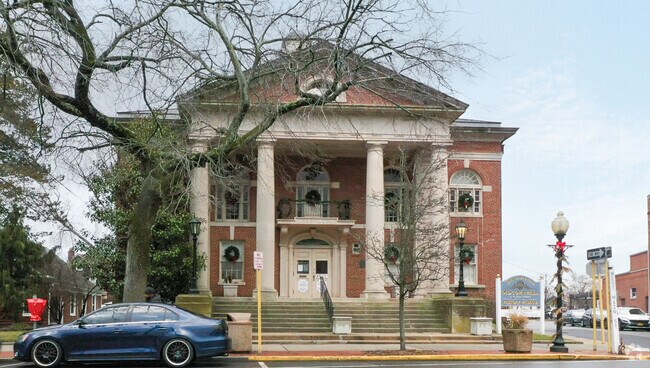
Old Town Hall is located at the heart of Babylon, New York and governs the area.
Argyle Theater and street view shows the shops and busy road as people drive through town.
Local resident taking out their boat for a day on the water in Babylon.
The Babylon train station has a constant flow of people throughout the day.
Median Household Income
$143,894
Average: $165,077
Education
5,003
Residents Have a Degree
Job Market
6,907
Workers Employed
Median Age
43 Years
Largest Age Group
55-64 Years
Approximately 15% of Residents
Under 20
22%
Over 65
19%
Housing Distribution
Babylon has more homeowners than renters.

Education Distribution
Review this city's overall education levels.

As of September 2026, the average apartment rent in Babylon, NY is $2,352 for a studio, $2,710 for one bedroom, and $3,472 for two bedrooms. Apartment rent in Babylon has increased by 4.9% in the past year.
Explore how walkable, bikeable, drivable, and transit-friendly Babylon, NY is for everyday living.
Fairly Walkable
Walkability
Some Public Transit
Transit
Very Drivable
Drivability
Fairly Bikeable
Bikeability

Public
Grades K-5
490 Students

Public
Grades K-5
337 Students

Babylon Junior Senior High School
Public
Grades 6-12
664 Students

Babylon Junior Senior High School
Public
Grades 6-12
664 Students
 The GreatSchools Rating helps parents compare schools within a state based on a variety of school quality indicators and provides a helpful picture of how effectively each school serves all of its students. Ratings are on a scale of 1 (below average) to 10 (above average) and can include test scores, college readiness, academic progress, advanced courses, equity, discipline and attendance data. We also advise parents to visit schools, consider other information on school performance and programs, and consider family needs as part of the school selection process.
View GreatSchools Rating Methodology
Data provided by
GreatSchools.org
© 2026. All rights reserved.
The GreatSchools Rating helps parents compare schools within a state based on a variety of school quality indicators and provides a helpful picture of how effectively each school serves all of its students. Ratings are on a scale of 1 (below average) to 10 (above average) and can include test scores, college readiness, academic progress, advanced courses, equity, discipline and attendance data. We also advise parents to visit schools, consider other information on school performance and programs, and consider family needs as part of the school selection process.
View GreatSchools Rating Methodology
Data provided by
GreatSchools.org
© 2026. All rights reserved.
† Our analysis of utilities, groceries, transportation, healthcare, home prices, and other goods and services is sourced from the Cost of Living Index, a respected benchmark published by the Council for Community and Economic Research (C2ER) that provides a thorough overview of living expenses across different regions.
Rent data is provided by CoStar Group’s Market Trend reports. As the industry leader in commercial real estate information, analytics, and news, CoStar conducts extensive research to produce and maintain a comprehensive database of commercial real estate information. We combine this data with public record to provide the most up-to-date rental information available.
Consumer goods, services, and home prices are sourced from the Cost of Living Index published by the Council for Community and Economic Research (C2ER). The data on this page is updated quarterly. It was last published in September 2026.
Demographic information comes from Neustar and combines detailed address data with U.S. Census and American Community Survey statistics to produce reliable local estimates.