

New Orleans, the Crescent City, is not only known worldwide for its cuisine and Mardi Gras. It’s also known for music—especially jazz that spills from clubs onto sidewalks and turns an ordinary night into something unforgettable. And for jazzheads, that’s the magic: you can follow the sound from neighborhood to neighborhood and find a completely different kind of set each night.
One of the best parts of exploring Jazz in New Orleans is how many different kinds of jazz experiences the city offers, depending on the neighborhood and the night. While neighborhoods here don’t strictly confine particular jazz styles within their borders, each part of New Orleans has its own venue culture and crowd energy, which make distinct sounds easier to find in certain areas.
Whether you’re looking to dance, settle into a laid-back listening room, or explore something more experimental, here’s where to find your neighborhood (and your jazz vibe).
Traditional New Orleans Jazz — The French Quarter
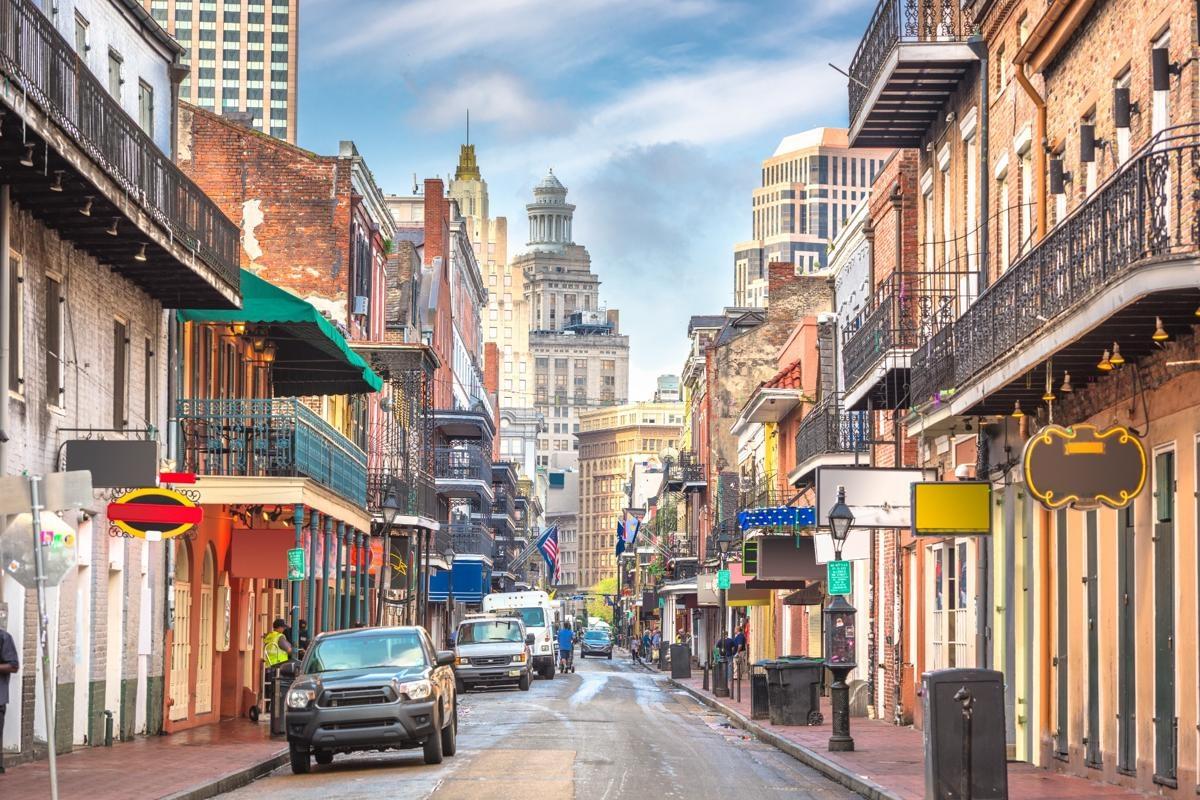
The French Quarter (Vieux Carré) is the city’s oldest neighborhood, shaped by French and Spanish colonial roots and centuries as a busy port district.
Its long history as New Orleans’ most visited area helped create a dense cluster of clubs and bars—one reason it’s still the most reliable place to catch live jazz any night of the week.
For the classic, early-jazz sound—front-line horns, familiar standards, and a timeless “New Orleans” feel—the French Quarter is the most dependable starting point.
|
Vibe |
Chill factor |
Best if you want |
Good for dancing? |
Large group friendly? |
|
Classic, energetic, “New Orleans at night” |
Medium (lively, but you can keep it low-key if you choose quieter venues) |
An easy, reliable night out; visitors in a mixed-age group |
Somewhat, but is more “listen and soak it in” |
Yes—lots of venue options close together, easy to split up and regroup |
Brass Band–Style Jazz (street energy) — Tremé
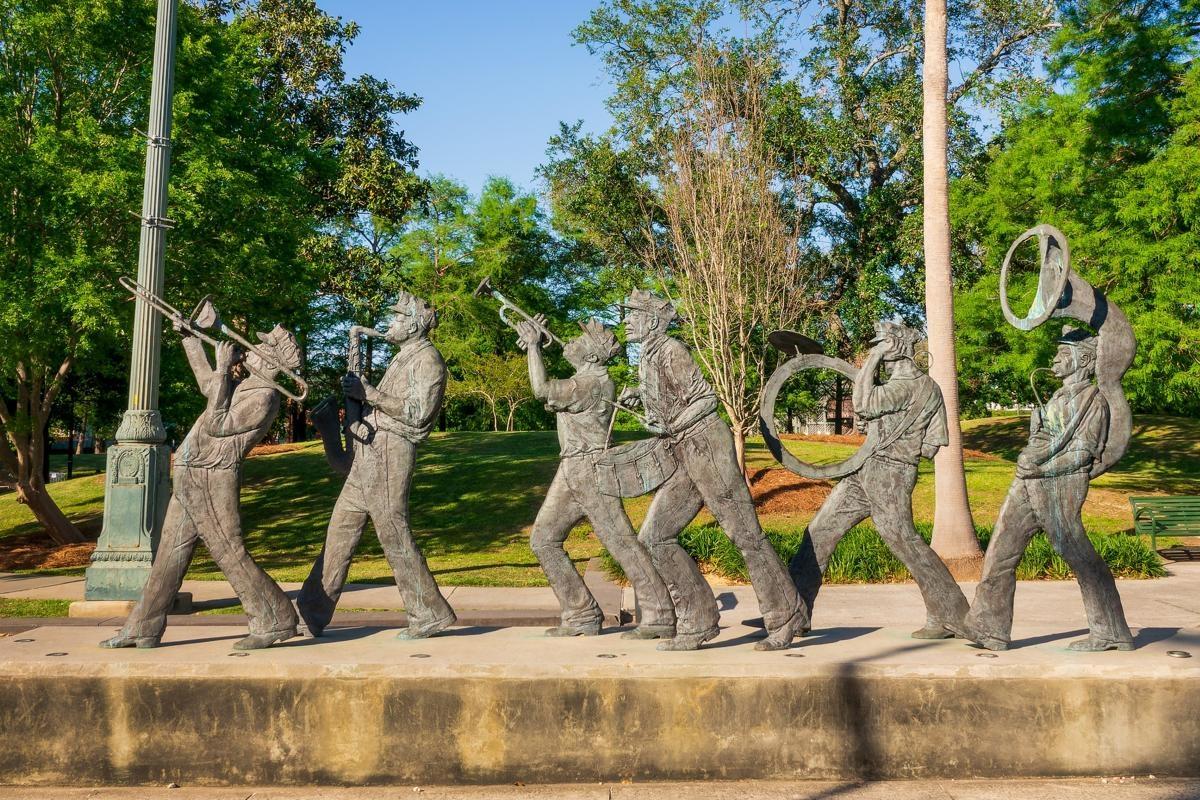
Tremé is one of New Orleans’ most historically significant neighborhoods for music, food, and cultural tradition, with deep ties to parade culture and second lines, the crowd that follows behind a band marching in the streets. That heritage is why the neighborhood is closely associated with the street-to-stage energy of horn-driven music.
If your jazz bucket list includes that parade pulse, Tremé is the neighborhood lens. Brass band music isn’t always labeled “jazz,” but it’s closely tied to the city’s jazz lineage: improvisational, rhythmic, and built for movement.
|
Vibe |
Chill factor |
Best if you want |
Good for dancing? |
Large group friendly? |
|
Big energy, community-forward, celebratory |
Low to medium (can get loud and high-energy quickly) |
Music with a strong beat |
Yes—one of the most dance-friendly jazz-adjacent styles |
Yes (a great “go together” option) |
Modern/Contemporary Jazz — Warehouse District
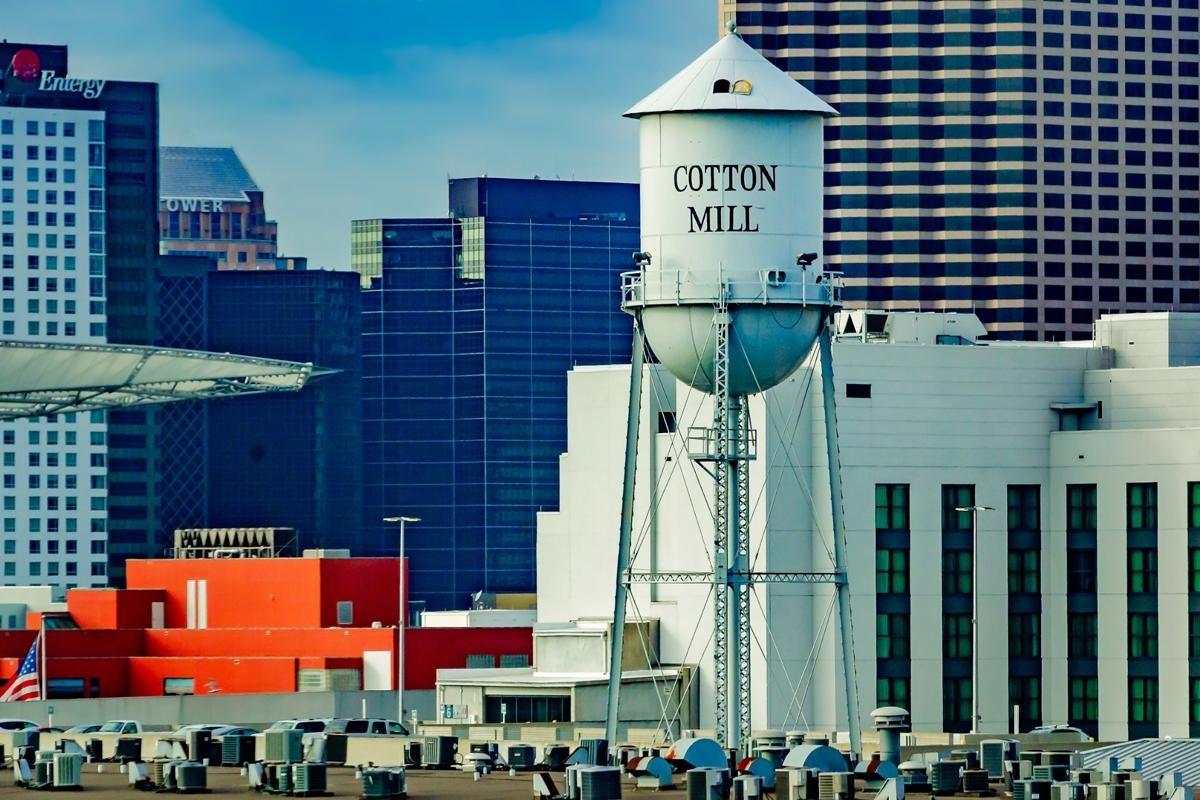
The Warehouse District was historically an industrial zone tied to river trade and storage. Over time, many warehouse buildings were repurposed into galleries, restaurants, and event spaces—helping the area evolve into an arts-and-nightlife district that pairs naturally with performance-focused jazz.
For jazz that leans more modern—tighter arrangements, newer compositions, a more listening-forward feel—the Warehouse District often fits. It also works well if you’re planning a full “arts night” with galleries and dinner.
|
Vibe |
Chill factor |
Best if you want |
Good for dancing? |
Large group friendly? |
|
Polished, arts-night friendly |
Medium to high (often more seated and listening-focused) |
A date night; music you can really focus on |
Not usually |
Yes, with a little planning |
Jazz-Funk/Soul-Jazz Crossover — Uptown
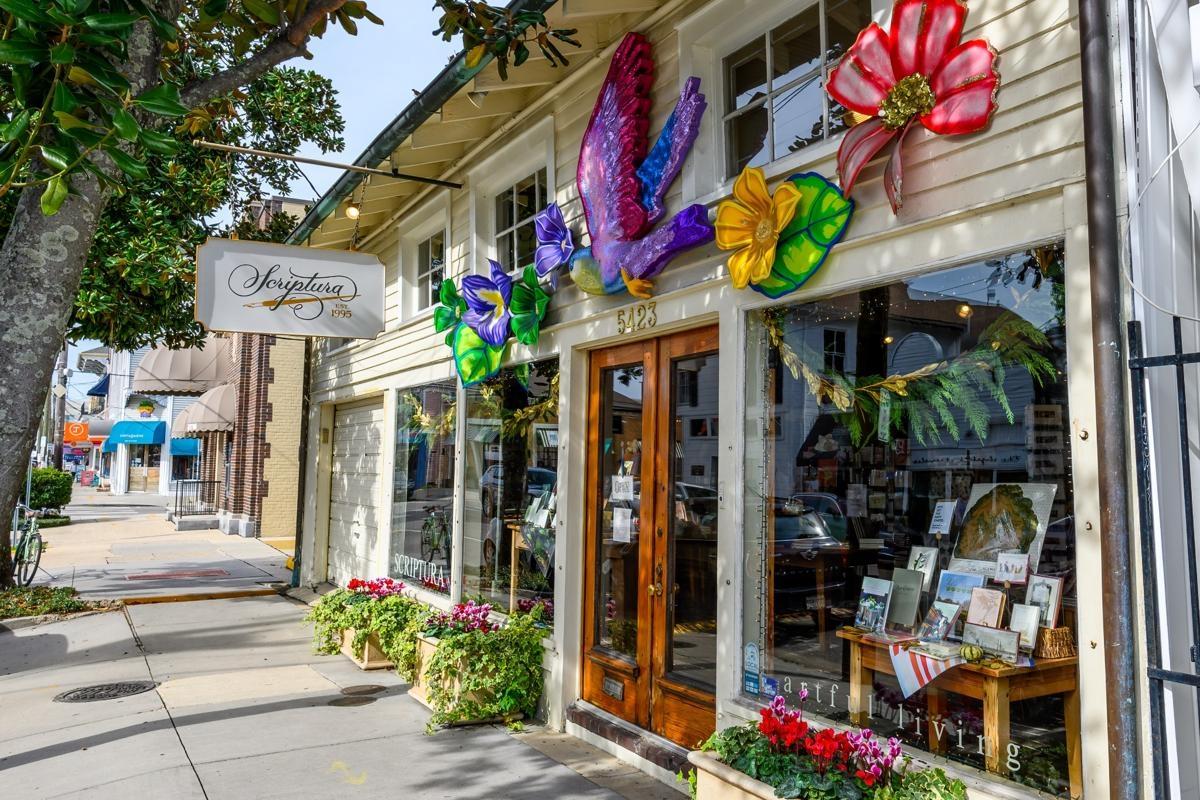
Uptown developed along historic streetcar corridors as a residential, affordable, community-driven part of the city with long-established local institutions. Because it’s less centered on tourism, the nightlife in Uptown often feels more like “locals’ night out,” which suits jazz that blends into funk, soul, and groove.
Uptown is a strong match for jazz that leans into the beat—music that still improvises, but feels built for a fun night out.
|
Vibe |
Chill factor |
Best if you want |
Good for dancing? |
Large group friendly? |
|
Upbeat, social, local-night-out energy |
Medium (relaxed, but not quiet) |
A lively hang; a night that turns into “one more song” |
Yes |
Yes |
Experimental/Avant-Garde Jazz — Bywater
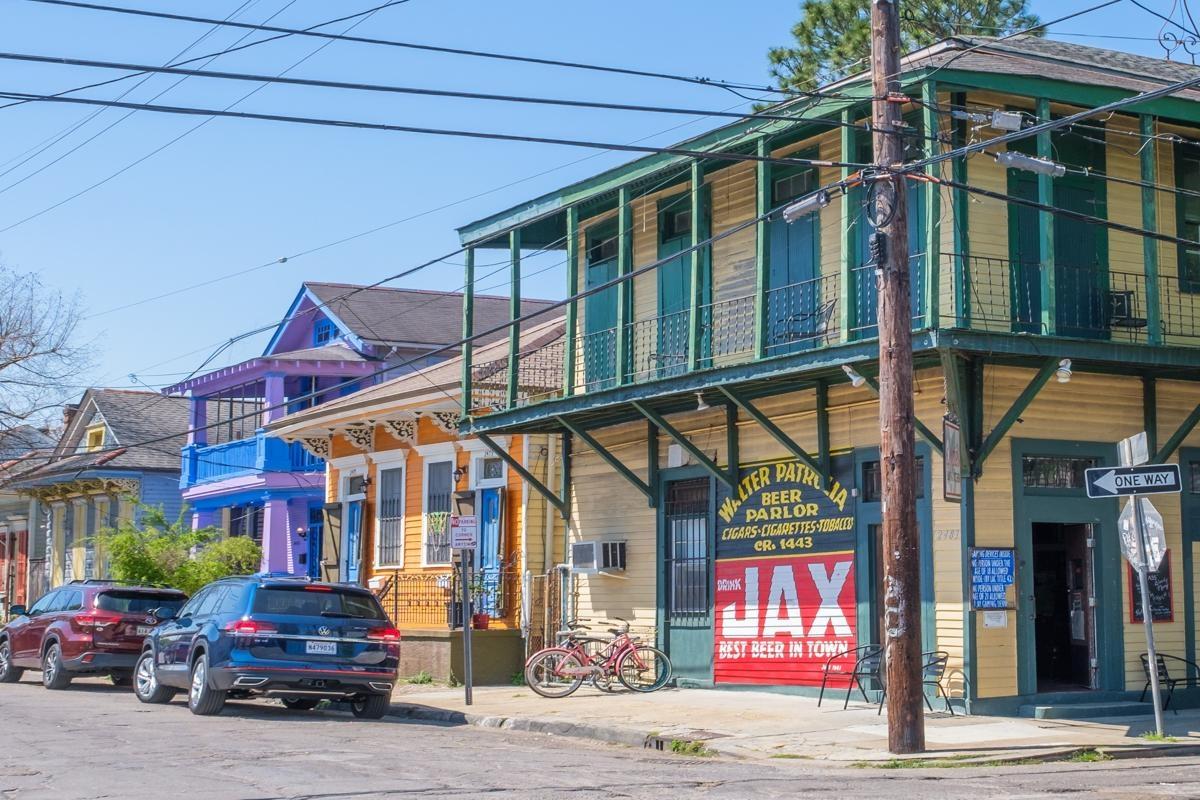
Bywater has industrial roots near the river, and it’s become known in more recent decades for a strong creative community. That blend—historic textures plus an artsy, DIY identity—helps explain why the neighborhood is a natural home for smaller venues and more genre-bending sets.
Bywater’s artsy reputation makes it a useful neighborhood bucket for more left-of-center jazz nights: experimental lineups, smaller rooms, and discovery-minded crowds.
|
Vibe |
Chill factor |
Best if you want |
Good for dancing? |
Large group friendly? |
|
Creative, indie, “see what happens” |
Medium (laid-back crowd, but the music can be bold) |
Something different; a less touristy feel |
Not typically |
Small-to-medium (best with a couple friends who are into this jazz style) |
Let the Neighborhood Provide the Soundtrack
Whether you’re moving to New Orleans or planning a short stay, the city makes it easy to find the neighborhood that fits your vibes. Start with the experience you want, and let the music lead you from there.
Laissez les bons temps rouler!
FAQs
Where can I hear live jazz in New Orleans?
You can hear live jazz in several parts of the city, but the French Quarter is the easiest starting point because venues are concentrated close together and schedules are frequent.
For a different vibe, Tremé often connects you to parade-rooted brass band energy, Uptown tends to skew more groove-forward and social, Bywater is great for discovery, and the Warehouse District often fits a more polished, arts-night outing.
What street in New Orleans has jazz?
In the French Quarter, several well-known corridors are packed with live music, which is why the neighborhood is a go-to for jazz nights.
That said, New Orleans isn’t a one-street city—many great shows happen off the main tourist paths. If you want to keep it simple, choose your neighborhood vibe first (classic, danceable, laid-back, or experimental), then pick a venue nearby.
What is a second line in New Orleans?
A second line is a moving street parade with a live band (often brass). The organized group and band lead the route, and the “second line” is everyone who follows behind—dancing, celebrating, and joining in as the parade moves through the neighborhood.
It’s one of the best examples of how New Orleans’ music culture lives outside of clubs, in the streets and community traditions.
Why is New Orleans called the Crescent City?
The nickname isn’t due to a brand of bake-and-serve rolls. New Orleans is called the Crescent City because the city’s early development followed a crescent-shaped bend in the Mississippi River. The original settlement formed along that curve, and the nickname stuck as the city grew.


