

Nobody hands you a manual when you get the keys to your first apartment. There's a lease, sure, with several pages of it, but the closest thing to “etiquette” it will cover is what happens if you paint the walls "Millennial Gray" or “Brat Green” without asking. There’s nothing about the other rules: the unwritten ones. These are the rules your downstairs neighbor really wishes you knew before you decided 11 p.m. was a great time to rearrange the furniture.
Have you ever wondered “what is apartment etiquette, anyways?” You’ve come to the right place. Think of it as the social contract of shared living: a set of do's, don'ts, and please-for-the-love-of-everything-don't-you-dares that keep your building running smoothly and your neighbors on speaking terms with you.
Whether you're a first-time renter and want to start off on the right foot, or you're a few leases deep and just need a friendly reminder (no judgment, we've all left our laundry in the dryer a little too long), this guide has you covered. Let's make you the kind of renter people are genuinely glad to live near!
The Golden Rules of Apartment Etiquette
Before we get into specific living situations, there are a handful of rules that apply to pretty much every renter everywhere. Nail these and you're already ahead of half the building.
Keep the Noise Reasonable
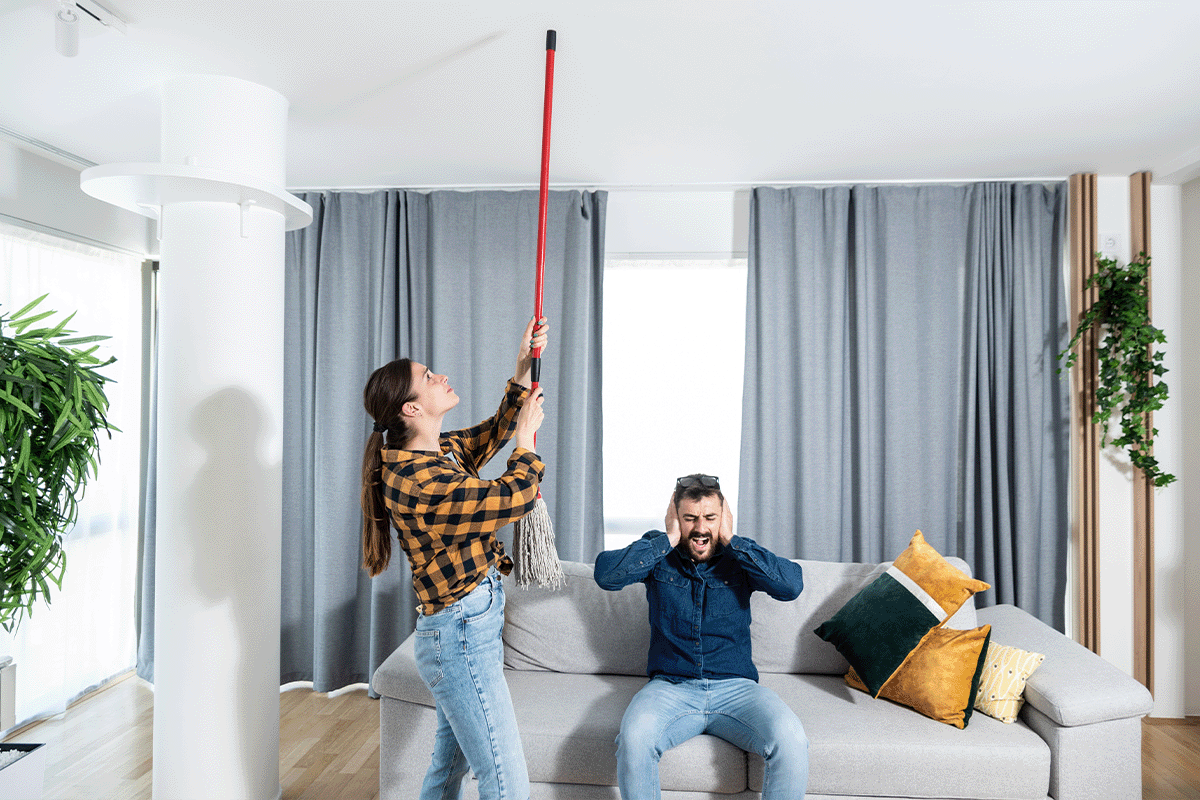
Your favorite playlist, your passionate Zoom call, and your dog's opinion on the mail carrier may be your neighbors’ problem. Sound travels farther than you think, especially through the floors, ceilings, and shared walls of an apartment building. If you don’t keep things under control, you may be a dreaded loud neighbor.
The general rule of thumb is to keep things quiet during typical "quiet hours," which usually run from around 10 p.m. to 8 a.m. Check your lease agreement, because many buildings spell these out. Outside those hours you have more leeway, but common sense still applies. If you're blasting music at a volume where your neighbor could name the song, it's probably time to turn it down. A pair of headphones and a rug or two can go a long way toward keeping the peace.
Respect the Shared Spaces
Hallways, lobbies, elevators, stairwells, mailrooms, and parking lots belong to everyone. That means it's easy to forget they need tending. Don't leave shoes, bikes, boxes, or trash bags parked outside your door, even "just for a minute." It clutters the space and can even be a fire-code violation.
When using communal spaces that include tables, chairs, grills, or any other shared amenities, clean up after yourself and guests. Pick up any trash and leave the space as you originally found it.
A similar courtesy applies to parking. Stick to your assigned spot if you have one, don't straddle two spaces, and save the guest spots for actual guests. Neighbors notice your parking etiquette immediately.
Handle Trash and Odors Appropriately
Take your garbage all the way to the dumpster or chute. Not to the hallway, not to a corner near the stairs, and most certainly not to a spot you swear you'll deal with later. Bag it, tie it, and break down your boxes so the bins don't overflow for everyone else. These rules still apply even if your apartment offers valet trash removal; make sure you observe the waste company’s pickup time.
Odors count too. An overflowing trash can, unsanitary conditions, or a litter box that's overdue for a change can drift into shared hallways and neighboring units. Crack a window, run a fan, and stay on top of the stuff that tends to announce itself before you do.
Guests and Parties
Having people over is one of the joys of having your own place. A little communication goes a long way. If you're planning something bigger than a quiet evening — a birthday, a game night, a gathering that'll likely spill onto the balcony — it’s a good idea to let your closest neighbors know in advance. A quick text or a knock on the door earns you a surprising amount of goodwill, and it turns a potential noise complaint into a "thanks for the heads-up."
If you opt to not let others know, make sure your guests keep the noise to a reasonable level. Whether you talk to your neighbors or don’t, it is your responsibility to control noise levels.
Apartment Etiquette when Living with Roommates

Sharing a space with roommates is its own etiquette ecosystem, and the best time to set expectations is before anyone's feelings get involved. Early on, talk through the practical stuff:
-
Who buys what
-
How chores get divided
-
What to do if a roommate needs to break the lease
-
How quiet the place should be on a weeknight
-
What the protocol is for guests
-
How groceries are divided
Splitting costs fairly is where a lot of roommate tension quietly builds. Rent, utilities, shared groceries, and household basics like paper towels and dish soap all add up, and "I'll get it next time" has a way of never quite arriving. A shared note, a bill-splitting app, or a standing monthly check-in keeps things transparent so nobody feels like they're subsidizing everyone else's life.
And when friction does show up, because it will, deal with it directly and kindly. The passive-aggressive sticky-note war helps no one. A short, honest conversation ("hey, can we figure out a dishes system?") almost always beats letting resentment simmer until it boils over. Treat your roommates the way you'd want to be treated and give them the same benefit of the doubt you'd hope for.
Etiquette When Renting a House vs. an Apartment

Renting a house changes the etiquette math a little. You've usually got more square footage and fewer shared walls. While this may mean fewer noise concerns, this living situation comes with a new set of responsibilities.
Outdoor upkeep is a big issue. Find out who's responsible for the lawn, the leaves, and the snow, because it's often the tenant, and a neglected yard may hurt your relationship with your landlord. Keep your exterior tidy, bring your trash bins in promptly on collection day, don't let the place look abandoned, and abide by all HOA rules if applicable.
Neighbor dynamics also feel more personal at street level, where you'll actually see the people next door coming and going. A friendly wave, a heads-up before a project that involves a lot of noise, and a general willingness to be reachable make you a neighbor people are happy to have.
Keep your landlord in the loop on anything that affects the property. A small leak you report today is a lot cheaper and friendlier than a big repair you hid until move-out.
Top-Floor Living (and Other Vertical Considerations)

Living on an upper floor comes with perks: better views, no footsteps overhead, and fewer people passing your windows. It also comes with the responsibility of being the footsteps someone else hears.
The downstairs neighbor problem is real. Hard floors amplify every step, dropped item, and enthusiastic dance break. Area rugs, felt pads under furniture, and a little awareness during late hours make a genuine difference to the person below you. If you've got a balcony, keep it tidy and remember that anything you shake out, water, or (please don't) toss over the railing lands on someone else's space. And in the stairwells and elevators, the usual applies: hold the door, don't block the path with your grocery haul, and give people room.
Sharing a Laundry Room
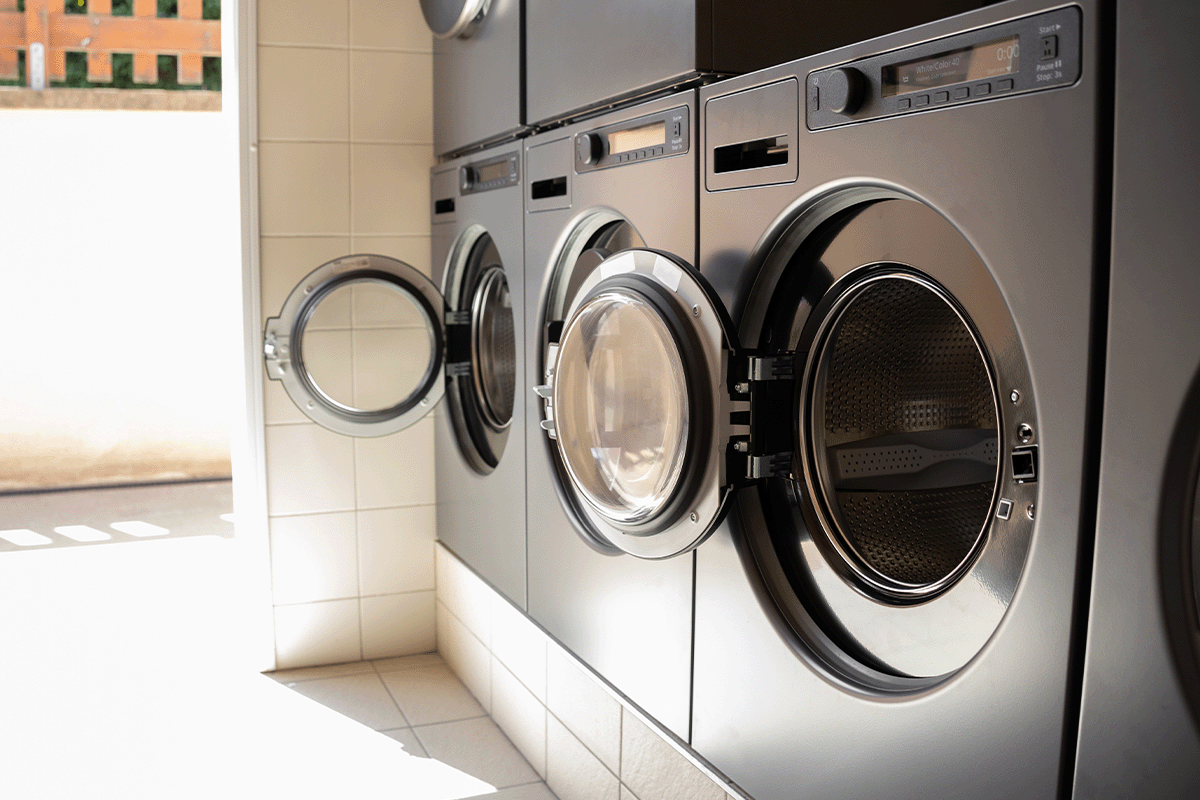
Few shared spaces test a building's collective patience quite like the laundry room. It's small, it's communal, and everyone needs it, which makes basic laundry room etiquette essential.
Don't Abandon Your Laundry
The single most common laundry-room grievance is the person who starts a load and vanishes. When your cycle ends, promptly move your clothes along so the next person can use the machine. Setting a timer on your phone is a small habit that spares everyone the awkward choice of waiting indefinitely or handling a stranger's damp socks. During busy times, claiming a machine you're not ready to use is just as frustrating, so start your laundry when you're actually there to see it through.
Leave It Cleaner Than You Found It
Clean the lint trap after every dryer cycle. It's a two-second job that improves drying for the next person and reduces a fire risk. Wipe up any spilled detergent, don't leave stray socks behind, and take your empty bottles with you. Basically, leave the room the way you'd want to find it.
Find Your Next Place on Apartments.com

Being a considerate renter starts with finding a home that fits your life — the right space, the right neighbors, the right vibe for the way you actually live. When you're ready for your next place, start your search on Apartments.com, where you can filter by everything that matters to you and find a spot you'll be proud to be a good neighbor in.
FAQs
How can I politely ask a neighbor to be quieter?
Lead with friendliness, not frustration. Knock at a reasonable hour, introduce yourself if you haven't met, and keep it light: "Hey, I can hear a bit more than I'd expect through the walls. Would you mind keeping it down after ten?"
Most people have no idea how far their noise carries and are happy to adjust. If it becomes a repeated problem, then it's worth looping in your landlord or property manager.
Whose responsibility is it to clean shared spaces in a rental?
Common areas like hallways and lobbies are usually maintained by the building's management or a cleaning service, and your rent helps cover it. Your job is to not add to the mess: no leaving trash, clutter, or personal items in those spaces. In a shared unit or rental house, cleaning is on the tenants, so agree on a system early.
Is it rude to do laundry late at night?
It depends on your building. If the laundry room shares a thin wall with someone's bedroom or your lease lists quiet hours, running a spin cycle at midnight probably won't win you any friends. Also, leaving your laundry in the washer overnight is not a good idea. When in doubt, aim for daytime or early evening, and check whether your building has posted laundry hours.
How do I split bills fairly with roommates?
Decide up front how you'll divide rent, utilities, and shared household items, and put it in writing so there's no ambiguity later. A bill-splitting app or a shared spreadsheet keeps everything transparent, and a quick monthly check-in makes sure nobody's quietly footing more than their share.
What should I do if my neighbor keeps breaking the rules?
Start with a direct, polite conversation if you feel comfortable. Many issues come from obliviousness, not malice. If that doesn't work or the situation feels tense, document what's happening and bring it to your landlord or property manager, who can enforce the lease terms. Save any formal complaints for serious, ongoing problems rather than one-off annoyances.


