

Moving into a new apartment means paying move-in costs like an application fee, first month’s rent, and a security deposit. A security deposit is typically refundable upon move-out if a tenant follows the rules, regulations, and agreements outlined in their lease.
This article explains everything renters need to know about security deposits, including what they are, what they cover, and how to improve the chances of getting a security deposit back in full after moving out.
What Is a Security Deposit?
A security deposit is a refundable charge paid before moving into a new apartment. A security deposit financially protects a landlord in the event of missed payments or property damage and ensures that a prospective tenant can pay rent and follow a lease agreement.
Your security deposit is held throughout your lease and may only be used after move-out. After your apartment has been inspected and any allowable deductions have been made, your landlord will return the remaining balance of your security deposit to you.
How much is a security deposit?
The amount paid for a security deposit will differ from property to property. Some properties charge as little as $100 for their deposit, while others can require up to one month’s rent. Security deposit limits vary by state. Some states cap the amount landlords can charge for the deposit, while others have no statewide limit.
Each state has landlord-tenant laws that explain how much a security deposit is allowed to be in each state (if capped), when landlords are allowed to use the deposit, and the timeline in which a landlord needs to refund the security deposit.
What determines the amount?

The size of your security deposit can be determined by information found in your background check, including:
- Credit history
- Rental history
- Proof of income
- Eviction history
If you have a bad credit history, an absent rental history, or don’t make three times the monthly rent, some landlords will increase the size of the security deposit. A higher security deposit not only ensures that a tenant can make payments, but also provides additional financial protection to the landlord in case of unpaid balances or property damage.
If you’re having trouble getting approved for an apartment because of your credit or rental history, ask your landlord if they are willing to increase your security deposit or sign with a guarantor to prove financial stability.
Why Do Landlords Require Security Deposits?
Landlords usually require security deposits to help cover potential financial losses and encourage renters to follow lease terms. If a tenant fails to pay rent, a landlord can pull from the security deposit to cover charges. If there is damage to the property (beyond normal wear and tear) or cleaning expenses upon the tenant moving out, the landlord is allowed to pull from the security deposit to cover these costs. If the tenant leaves an unpaid utility bill, the landlord can pay the outstanding bill with the renter’s security deposit.
Landlords use security deposits to protect themselves from any unexpected charges, damages, bills, or cleaning costs that the renter leaves behind.
What Can a Landlord Use Your Security Deposit For?
One of the most common reasons a landlord may deduct from your security deposit is to cover property damages beyond normal wear and tear. Damages beyond normal wear and tear include:
- Large holes in the wall
- Unauthorized paint colors or wallpaper
- Chipped hardwood flooring
- Broken windows
- Holes, stains, or burn marks in the carpet
- Missing fixtures
- Broken doors
- Cracked or broken mirrors
Other allowable deductions may include unpaid rent or utility bill. If a renter doesn’t clean their apartment upon move-out, a landlord may also pull from the deposit to cover the costs of cleaning the unit and making it habitable for the next tenant.
It’s important to note that some states have their own laws outlined on whether further deductions (beyond normal wear and tear and unpaid rent) can be made. For example, landlords in Oregon are allowed to pull from a renter’s security deposit to cover any carpet cleaning costs, while renters in states like West Virginia, Delaware, and South Dakota can lose a portion of their security deposit if they fail to remove their belongings from the unit prior to moving out.
Before you sign a lease, read over the lease document carefully and talk to your landlord to ensure you understand what deductions apply to your deposit.
What Landlords Cannot Use Your Security Deposit For
Normal wear and tear refers to the natural deterioration of an item or surface over time that occurs through everyday use. Landlords are allowed to pull from your security deposit to cover large property damage such as gaping holes in the wall or unauthorized paint colors; however, landlords are not allowed to pull from this deposit when repairing normal wear and tear damage.
According to the Department of Housing and Urban Development (HUD), examples of normal wear and tear damage include:
- Minor scuff marks
- Small nail holes
- Chipped or faded paint
- Worn carpet
- Loose cabinet and door handles
- Aging plumbing
- Minor scratches on surfaces (bathroom, toilet, tables, etc.)
- Faded light fixtures
When you move out of your rental, some state laws require landlords to provide an itemized list of deductions they pull from your security deposit. If you believe deductions were wrongfully made, you can contact a landlord-tenant attorney for legal guidance.
Common Reasons Renters Lose Their Security Deposit

One month’s rent is usually the most common security deposit amount, and you don’t want to leave that money on the table. Cleaning your apartment before moving out, documenting any damage, and following lease terms can help maximize the amount you’re refunded after you move out.
1. Leaving the apartment dirty
According to the HUD, landlords are allowed to deduct from your security deposit to cover any cleaning costs. Whether it’s carpet cleaning or bathrooms scrubbing, landlords will use your security deposit to help cover the costs of cleaning areas you may have left dirty.
Before moving out, do one last deep clean of your apartment. Complete a thorough cleaning of high-use areas such as:
- Bathrooms
- Kitchens
- Bedrooms
- Appliances
- Cabinets and closets
Leaving your rental in better condition than you found it gets you one step closer to a fully refunded security deposit.
2. Not providing proper move-out notice
Most lease agreements will state how many days you must give notice prior to moving out, but that number is usually anywhere between 30 and 60 days. This notice period gives the renter time to prepare for the move and the landlord time to find a new tenant to fill the vacant unit.
If you don’t give proper notice and adhere to the lease terms that you signed, your landlord can pull from your security deposit to cover any unpaid rent or financial losses from the abandonment. Make sure to let your landlord or property manager know when you plan to move out and that the timeframe matches lease guidelines.
3. Unpaid utility or water bills
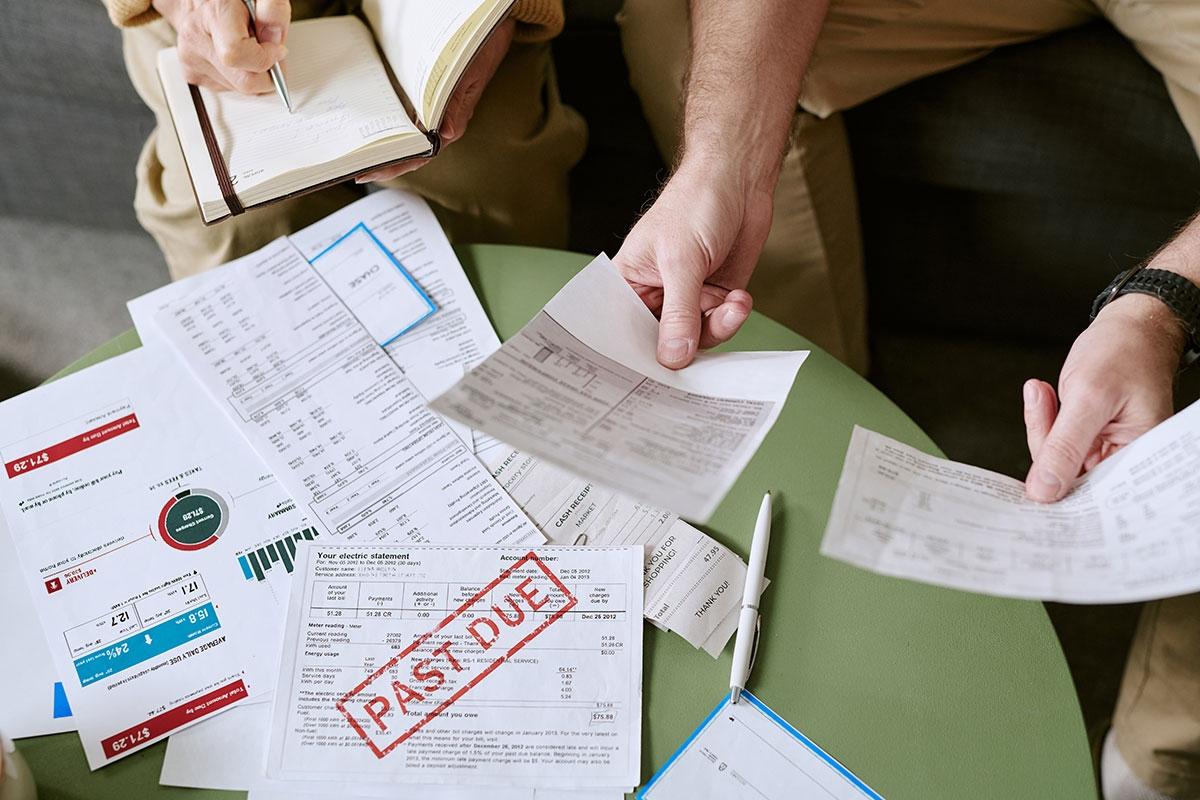
If you leave any unpaid water or utility bills behind after you move out, your landlord can deduct from your security deposit to cover the charges. It’s important to let your landlord know when you plan to move out of your unit and ensure you leave no unpaid bills behind. Also make sure that your landlord has received any final documentation they may need to confirm that your account is closed.
4. Leaving furniture or trash behind
Leaving any trash or large furniture behind is one way to lose out on your security deposit. Your landlord could pull from your security deposit to cover the costs of removing furniture or discarding it, along with any trash you leave behind. Make sure that all your belongings are out of your unit before returning your keys.
5. Breaking or violating lease terms
If you violate lease terms during your lease, you can be evicted, but if you move out of your apartment and during the move-out inspection your landlord discovers you were violating lease terms during your tenure, they can pull money from your security deposit to cover any potential damage.
Examples of violations that could occur during a move out inspection include:
- Unauthorized paint colors or wallpaper on your wall
- Gaping holes in the drywall
- Broken windows or doors
- Unpaid rent
- Failure to turn in keys
- Subletting without written permission
- Abandoning the unit
These physical or financial damages could be deducted from your security deposit, so be sure to follow lease terms throughout your lease and during move out.
6. Failing to document existing damage
Before you move into a new apartment, you should complete a move-in inspection and document any existing damage with photos and videos. Your landlord can pull from your security deposit to cover these costs, even if the damages were there before you moved in. Make your landlord aware of any damage at the start of your lease to ensure you’re not left paying the repair costs.
When Should You Get Your Security Deposit Back?

If you have no move-out damage or fees, you will most likely get your security deposit refunded in full. The timeframe for returning a security deposit varies by state. Many states require landlords to return deposits within a specific period after moving out, ranging anywhere from a few weeks to several months.
If your landlord deducts from your deposit, they will usually send you an itemized list of the deductions, depending on the state law. Some states require landlords to send this list, while others don’t.
It’s also important to remember that some states have different laws that change based on deductions and the number of deductions. If your security deposit is returned to you with deductions and you believe this is a mistake, you’re allowed to disagree with your landlord.
If you disagree with any deductions:
- Review your lease
- Request documentation
- Verify your state’s tenant-landlord laws
- Seek legal guidance if necessary
Remember: The amount refunded from your original security deposit often depends on how you leave your unit at the end of your lease, so be sure to leave it in good condition upon move-out.
Move with Confidence Using Apartments.com
Whether you’re searching for a high-rise apartment in a walkable city or a single-family rental home in a quiet neighborhood, Apartments.com can help you find a place that fits your lifestyle and budget. With advanced search filters and thousands of listings nationwide, you can make your next move with confidence. Start your rental search on Apartments.com today!
FAQs
What is a security deposit?
A security deposit is a refundable payment a renter gives a landlord before moving into a rental property. It helps protect the landlord in case of financial losses such as unpaid rent, unpaid utilities, move-out cleaning costs, and property damage beyond normal wear and tear.
What can a landlord deduct from a security deposit?
A landlord can deduct unpaid rent, unpaid utility or water bills, cleaning costs, or property damage from a renter’s security deposit. Exact deduction rules vary by state and lease agreement.
What counts as normal wear and tear?
Normal wear and tear is expected deterioration of a rental from everyday use. The HUD lists minor scuffs, faded paint, worn carpet, loose handles, or small nail holes as examples of normal wear and tear.
How long does a landlord have to return a security deposit?
The deadline for returning a security deposit depends on the state law. Many states require landlords to return the deposit along with an itemized list of deductions, if applicable, within a specific number of days after move-out.


