

While an aesthetically pleasing apartment looks great, it should also feel great. The vibe should be calm, balanced, and comforting, somewhere you will enjoy spending time. That’s where feng shui can help. Whether it’s a studio or a three-bedroom apartment shared with roommates, feng shui interior design can help you create an apartment that is just as calming as it is well-designed.
Key Takeaways
- Feng shui apartment design focuses on creating balance, comfort, and good energy flow through thoughtful furniture placement, clutter control, and intentional room layouts.
- The command position is a major feng shui principle: place beds, desks, and sofas against a solid wall with a view of the door, but not directly in line with it.
- A calming apartment atmosphere starts with clear pathways, properly scaled furniture, warm diffused lighting, and bedrooms designed specifically for rest and relaxation.
What Is Feng Shui?
Feng shui is a design philosophy based off the ancient Chinese practice of the same name. It is all about strategically arranging furniture, décor, and interior items to create a balanced room with good flow and harmony.
Declutter to Let Energy Flow
Decluttering is the first step to creating an apartment in line with feng shui design. Having items and clutter everywhere disrupts energy flow and makes the space more difficult to use. Create a home for everyday items and get rid of anything that you can do without.
Use the Command Position for Furniture
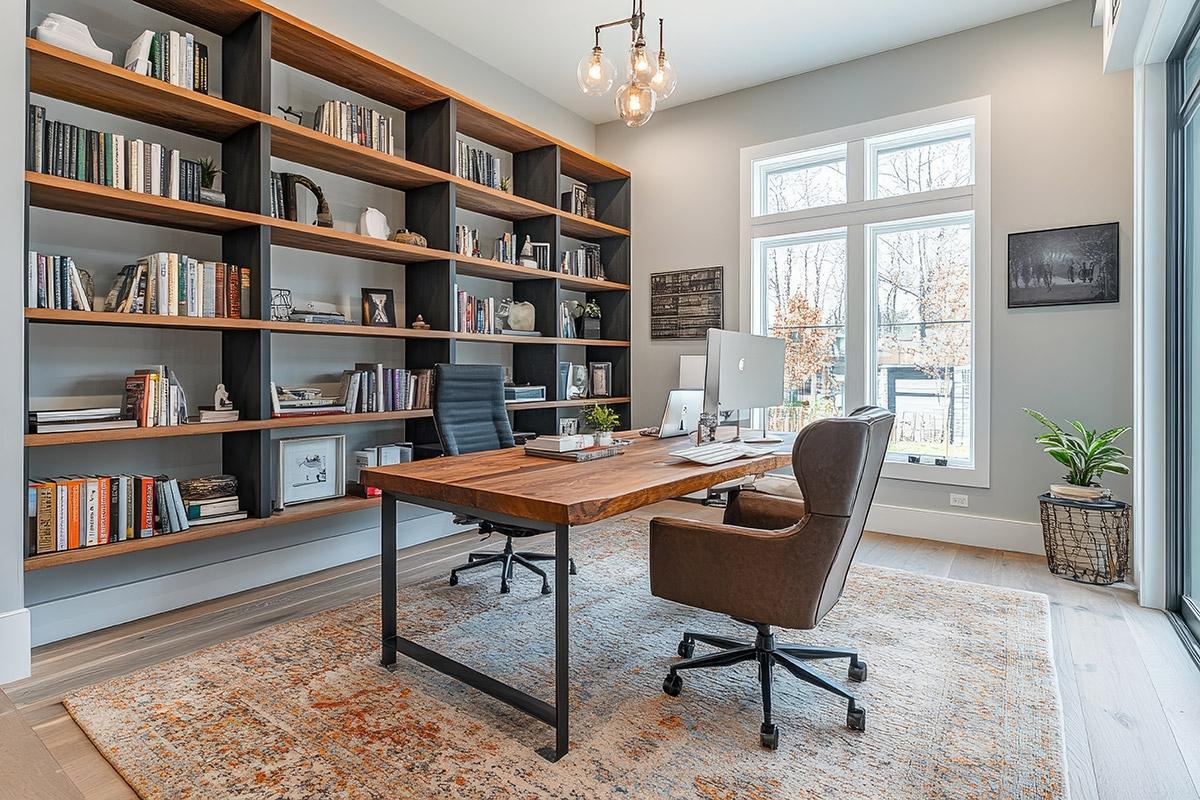
You want to feel safe in your home and while apartment security features help, another surprising thing to consider is the placement of your furniture. Ideally pieces should be placed in the “command position,” which means that it is in a secure position that doesn’t feel vulnerable. That can mean placing your back against a secure wall, facing doors without being directly in front of them, away from windows, and letting energy flow around the furniture piece without impeding it.
For example, place your bed up against a wall where you’re facing the door, but not directly in front of it. Try not to put it next to a window either. This is because a lot of energy flows through the doors and windows and can make you feel vulnerable if you’re directly in its path.
Create a Calm Atmosphere Using Diffused Lighting
Bright lights have their purposes, but they don’t belong in your apartment. That’s a place for relaxation and unwinding, not getting blinded by glaring bulbs or feeling like you’re under a microscope. Instead, opt for multiple, warm light sources from table lamps, floor lamps, and other alternatives to create diffused lighting.
Pick Furniture That Works for Your Apartment
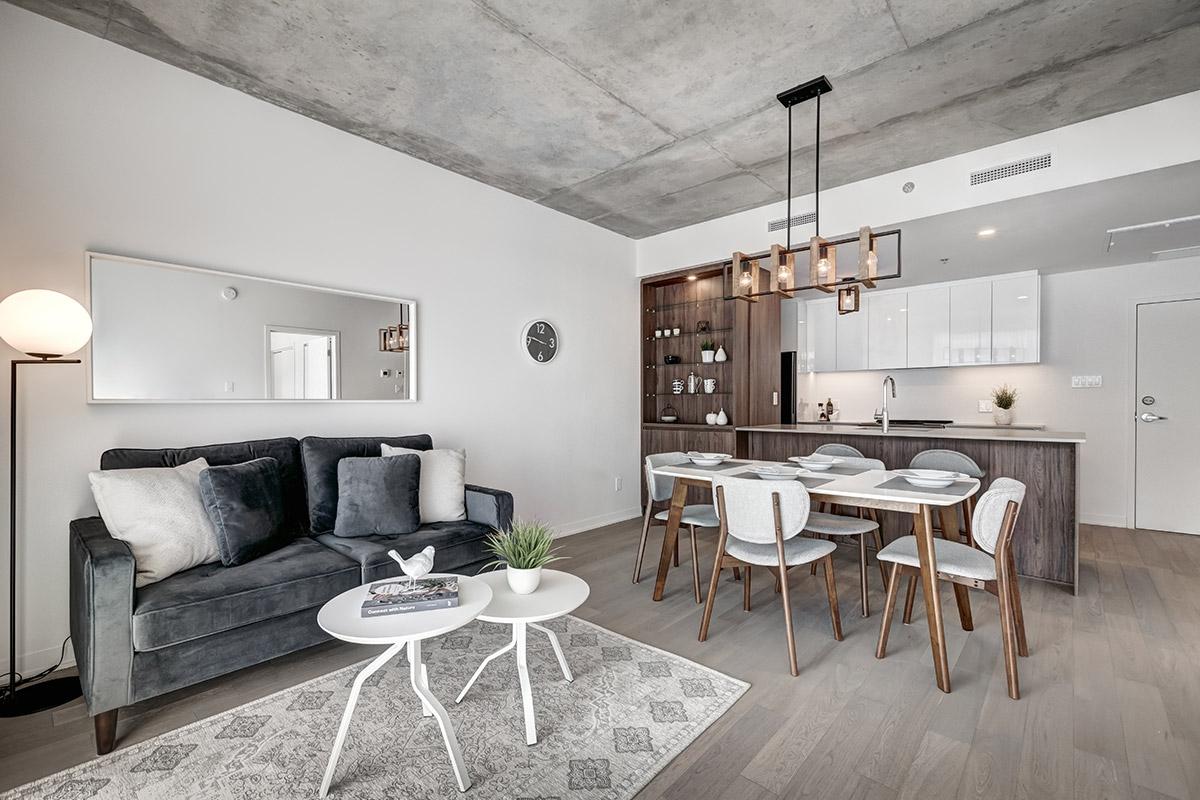
When picking out furniture, be sure to consider its shape and size so that it fits the room. An oversized couch can swallow the space, while a tiny armchair can be dwarfed by the walls. Look for pieces that make the room feel balanced, open, and easy to move through. Keep pathways clear and plenty of space between furniture to let energy flow.
Feng Shui Room Layout
While arranging each room, think about how you move through the apartment and how each space should feel. Feng shui room layout is about maintaining clear paths, letting energy flow freely, and creating a sense of support in the places where you sit, work, and rest. Where you place furniture can make an apartment feel more open, grounded, and comfortable.
Create an open, welcoming entryway
The front entrance is the gateway to your home, so it should be open as this creates a welcoming atmosphere. Try to limit the number of items and pieces of furniture in the entryway. Each piece of furniture should have a purpose, like a bench or a shoe rack. Prevent clutter build-up by putting items in their proper places, having dedicated storage, and avoiding using the entrance as a drop zone.
Create a secure living room with good flow
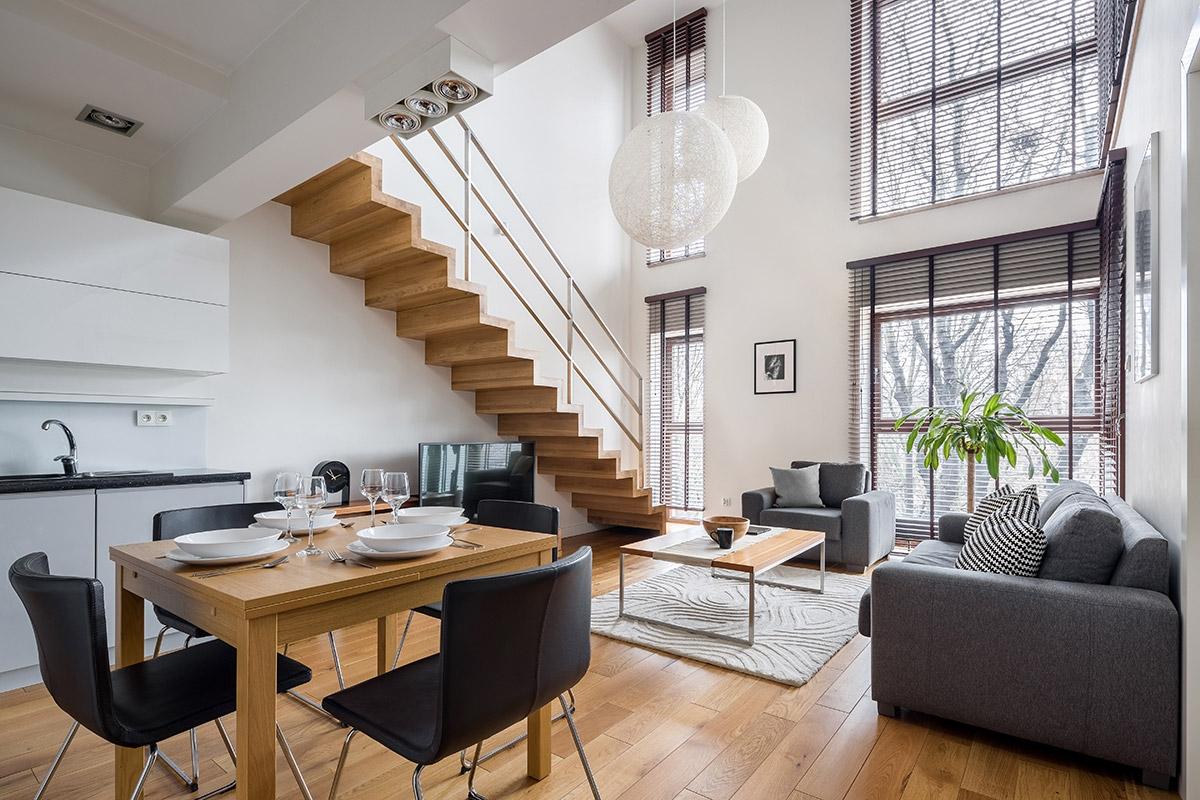
You spend a lot of time in your living room, so you want spots to sit down that feel cozy and secure. Carefully place couches and armchairs so that they are supported by a wall instead of floating in the middle of the room or being in front of a window. When placement near a window is unavoidable, opt for a low-back couch to keep the window visible.
Align sightlines with the door, without being directly in line with it. Sitting with your back to the door can make you feel more exposed.
Set up a grounded office
Place your desk so your back is against a solid wall, with a clear view of the room. Avoid facing a blank wall if you can. A large window is a better option as long as there is ample space separating you. Floating your desk away from the wall can work well, especially if it helps you sit in a more grounded position with a wall behind you.
Design a bedroom that supports rest
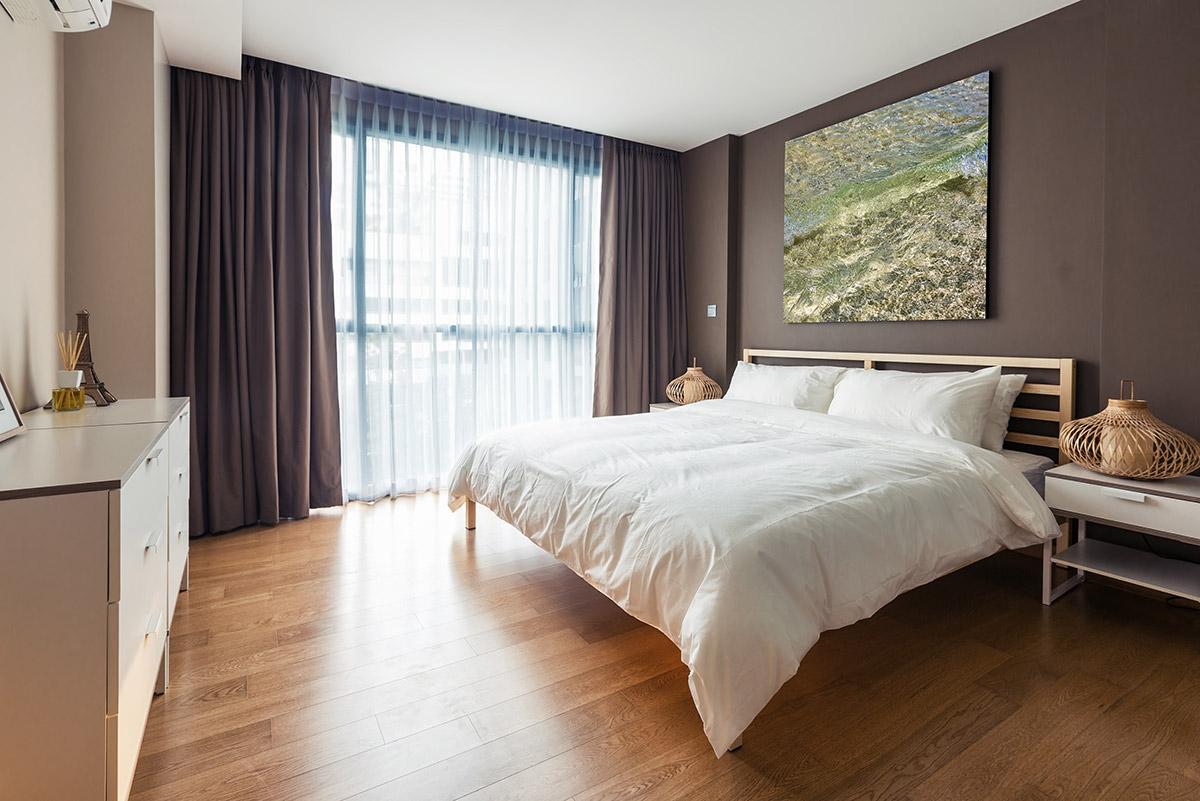
Bedrooms should be focused around resting, instead of other activities. This means no TVs, treadmills, computers, or any other items that don’t promote relaxation. Mirrors are useful in bedrooms, but they should be kept angled away from beds. They reflect energy, which is great in other rooms, but directing it towards the bed doesn’t promote restful sleep.
Choose a bed placement that feels strong
Bed placement is crucial to good feng shui. Putting your bed up against a wall creates a strong sense of support that makes the space feel comfortable and secure. However, don’t point the foot of the bed directly at the door or position your head near the door. A solid headboard adds another layer of support, creating a bedroom that you love and feel safe in. Skip the footboard since it can block the flow of energy around the bed.
Below a sloped ceiling is not the spot to place a bed, either. It brings down the ceiling and makes everything feel cramped. Energy will also bounce off the sloped ceiling directly into the bed instead flowing freely.
Find Your Perfect Feng Shui Apartment on Apartments.com
Ready to design an apartment that looks beautiful and feels amazing? The key to creating a harmonious, balanced living space starts with finding the right apartment, and that's where Apartments.com comes in.
With immersive 3D tours, you can explore every angle of a potential home before signing a lease. This allows you to visualize energy flow, traffic patterns, and furniture placement possibilities. With both a measurement tool and the ability to hide furniture, you can make sure the apartment promotes harmony. Start your search on Apartments.com today and use 3D tours to find an apartment with feng shui potential.
FAQs
What are the basic rules of feng shui?
The basic rules of feng shui are to create a calm, balanced space with good energy flow. Start by decluttering so your apartment feels open and easy to use. Arrange key furniture, like your bed, desk, and sofa, in the command position, where your back is supported by a wall and you can see the door without being directly in front of it. Keep walkways clear, choose furniture that fits the size of the room, use warm diffused lighting, and design each room around its main purpose, such as rest in the bedroom or concentration in the office.
What is the biggest mistake in placement of furniture?
The biggest furniture placement mistake in feng shui is putting important pieces in a position that feels exposed or blocks energy flow. For example, avoid placing a bed, desk, or sofa with your back to the door, directly in line with a doorway, right against a window, or in a spot that makes pathways feel cramped. Furniture should feel supported, balanced, and easy to move around.


