

If you live in an area that has a risk of natural disasters, then renters insurance is more than just a smart move. It’s a way to protect yourself and help you handle any disaster that may come your way. However, each policy is unique, so you need to know if your renters insurance covers natural disasters, what exactly is covered, and if you need additional coverage.
Key Takeaways
- Renters insurance can cover certain natural disaster damages, personal property loss, and temporary housing costs, but coverage varies by location, policy, and insurance company.
- Insurance companies often place coverage moratoriums in effect when a storm is approaching, preventing renters from purchasing or updating policies at the last minute.
- Preparing for hurricane season includes reviewing your renters insurance coverage, documenting belongings with photos or videos, and creating both shelter-in-place and evacuation plans
When Is Hurricane Season?
Hurricane season is from June 1 to November 30. Hurricanes can impact coastal and inland areas alike, especially states near the Atlantic Ocean on the East Coast, Gulf Coast, and eastern Pacific regions. Doing a couple of easy preparations before the season starts ensures you aren’t caught by surprise and are ready for anything that may happen.
Why You Need to Get Renters Insurance Before Hurricane Season
Renters insurance is a wise (and affordable) investment that protects you, your belongings, and your finances. Most landlords require renters insurance, but regardless of whether it’s a requirement or not, it is something worth considering. It covers personal property and liability, as well as other additional protections that can make dealing with a natural disaster more manageable.
Most renters insurance policies also include loss of use. This will help cover temporary housing and relocation if your apartment becomes uninhabitable because of a covered problem. In case you are displaced because of the storm, your renters insurance will likely cover those costs and reimburse you.
If a storm is approaching your city, insurance companies often enter a moratorium. That means that during that period, you can’t buy a new policy, make changes to your policy, or upgrade your coverage. To ensure you and your belongings are protected, review your coverage before storm season.
Does Renters Insurance Cover Natural Disasters?
Renters insurance covers some natural disasters, but coverage often depends on your exact policy and the insurance company. Ask about what is and isn’t covered before you purchase a policy. In some cases, additional policies are available for purchase that cover specific disasters. It also depends on your location, as in higher-risk areas policies may either include protection for natural disasters or offer it as an optional add-on.
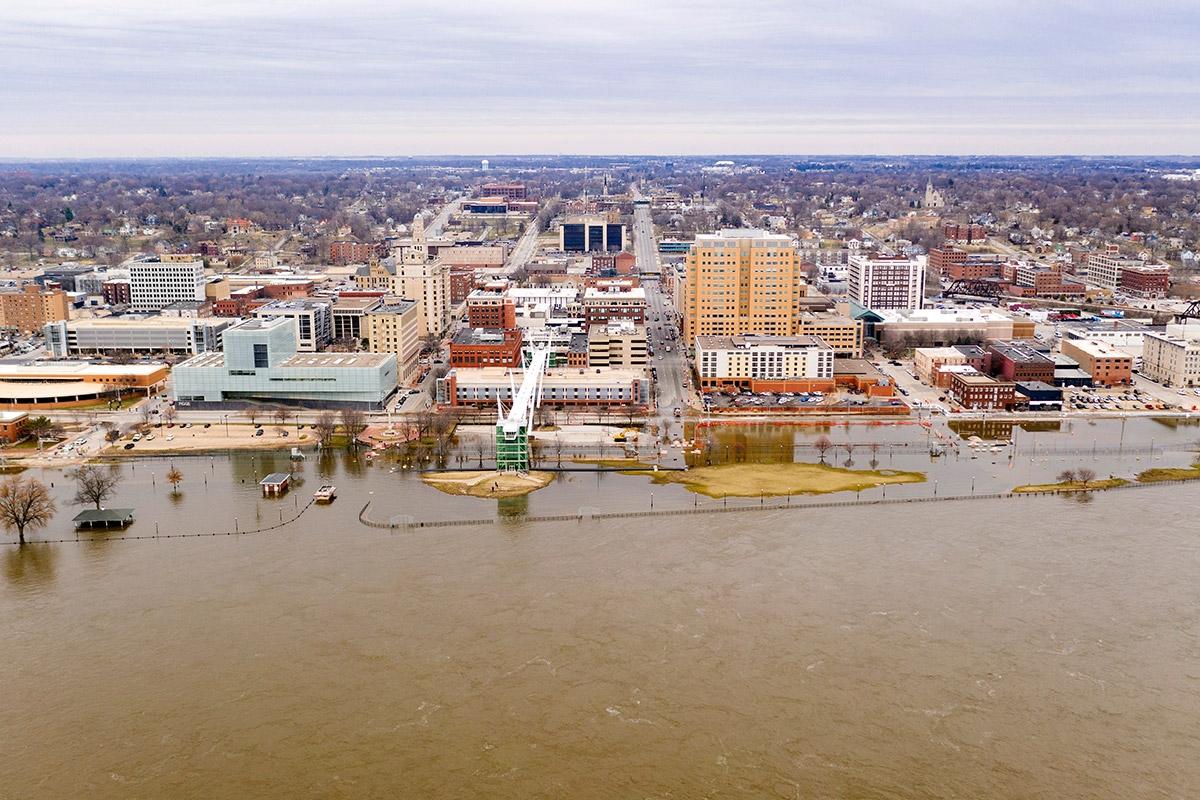
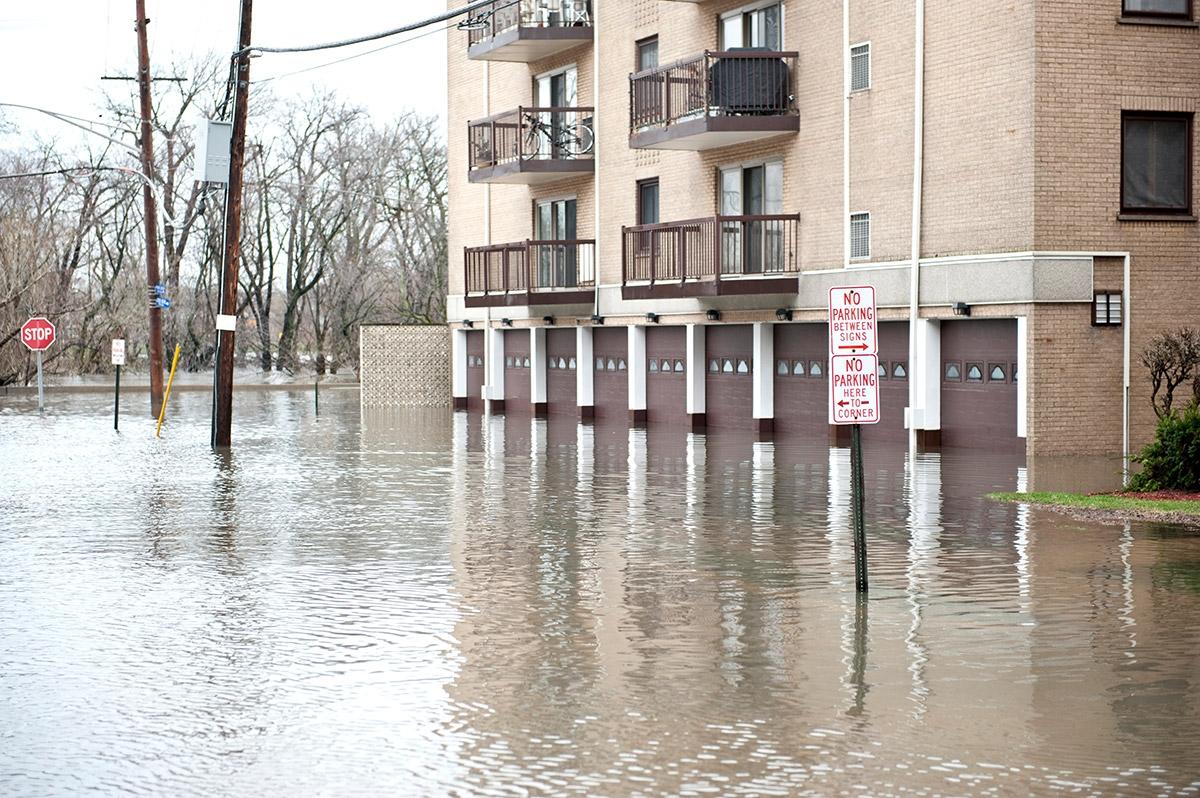
Flood and earthquake coverage are commonly excluded from policies. Hurricanes are more nuanced, as they can cause a variety of different storm-related damages. Some of these damages may be covered by your policy while others are not. For example, wind damage could be covered while flooding isn’t. What is covered is also dependent upon the area, as certain coverages may be excluded in specific places.
How to Prepare for Hurricane Season
Being ready for hurricane season is the key to protecting yourself and your apartment, as well as mitigating damages and losses. You’ll know exactly what to do if a storm hits, and it helps you recover afterwards more easily. Ensure you are equipped to face the weather by knowing how to prepare for hurricane season:
Check your renters insurance policy
Renters insurance covers your personal property and liability, but also loss of use coverage. Check the amount of personal property coverage you have and ensure it is sufficient for everything you own. If you have higher-value items or need more coverage, consider scheduling additional protection.
Hopefully you won’t have to use your loss of use coverage, but it’s smart to review it so you know what you are entitled to. While you’re doing this, check common disaster exclusions to identify if you need additional insurance.
Talk to your apartment community
Connect with your apartment community to talk about their disaster plan. Ask about designated shelter-in-place spots, evacuation procedures and locations, communication methods, general guidance, and what happens afterwards.
Gather emergency supplies
Prepare all the necessary supplies you will need in an emergency, both for sheltering at home and a go-kit in case you need to evacuate. This should include food, water, medicine, general supplies, gear, and anything else you might need. Don’t forget a device that doesn’t need to be plugged in to get emergency news and alerts, like a battery-powered radio.
Collect important documents
Important documents and records should be kept in a protected spot, where they’re easy to grab. Keeping them in a protective container like a waterproof bag or safe helps prevent them from being damaged by any storm that might roll through.
Create a disaster plan
Creating a plan beforehand ensures you are prepared if something does happen. You’ll know exactly what to do, what you need to grab and where it is located, and where you need to go. Being able to act quickly during a disaster helps protect you. Be sure to have a plan for both sheltering in place and evacuating, so you are covered no matter what happens.
Prepare those who live with you
Make sure that everyone in your apartment knows the disaster plan so you are all on the same page. Figure out how you will contact each other and determine meeting spots in case you are separated. If you have any pets, be sure to include them in your plan. You may need to check your shelter’s pet policy and discuss emergency pet procedures with your apartment community.
Document personal belongings
Create a list of your personal belongings and take photos or videos of them. This is proof that you own the item while also showcasing the item’s condition. If you have to file an insurance claim, then this documentation can make the process go smoother.
Be Prepared for What’s Ahead with Renterverse
Preparing for hurricane season doesn’t stop at checking your policy. Renterverse has renter-friendly resources to help you understand your coverage, protect your belongings, and plan your next move before a storm is on the radar. Whether you’re documenting your belongings, building an evacuation plan, or looking for a place to stay after a storm, Renterverse can help you take the next step with confidence.
FAQs
What natural disasters are not covered by insurance?
Earthquakes and floods are two of the most common natural disasters that renters insurance may not cover. Hurricane damage coverage is dependent on the type of damage, location, and the policy. Some storm-related damages may be covered, while others aren’t.
Do natural disasters get covered by insurance?
Renters insurance may cover damage from some natural disasters, but it depends on your policy, location, and insurance provider. Not every disaster is automatically covered. Many policies can help pay for personal property damage, liability, and temporary housing costs if your apartment becomes uninhabitable due to a covered event.


