

Spring cleaning is a great way to refresh your apartment and keep it looking like you just moved in. You may be ready to get started, but you need to keep in mind that you have a security deposit to protect. A deep clean at the start of the year is a smart move, as long as it’s done correctly.
In order to get your security deposit back, you need to leave your apartment clean and damage-free. The wrong cleaning products or techniques can cause stains, scratches, or discoloration. This spring-cleaning checklist for renters recommends what cleaning products to use and renter-friendly methods so you can leave your place clean and in great shape when it’s time to get your deposit back.
Key Takeaways
- Proper, careful spring cleaning not only refreshes your space but helps ensure your apartment is kept in move-in-ready condition so you can get your security deposit back.
- Using the wrong cleaning tools or harsh products can cause damage that may lead to security deposit deductions.
- Each area of the apartment requires surface-appropriate, gentle cleaning methods to avoid accidental damage.
Why Cleaning the Wrong Way Can Cost You Your Security Deposit
Spring cleaning feels harmless, but many of the most expensive apartment damage happens during routine cleaning. Scratched floors, etched countertops, dulled fixtures, and warped finishes usually come from using the wrong products or tools, not from neglect. Landlords can deduct repair costs when damage goes beyond normal wear and tear, even if it happened while trying to clean. Cleaning carefully protects both the apartment and your security deposit.
Common Spring Cleaning Mistakes That Can Cost You Your Deposit
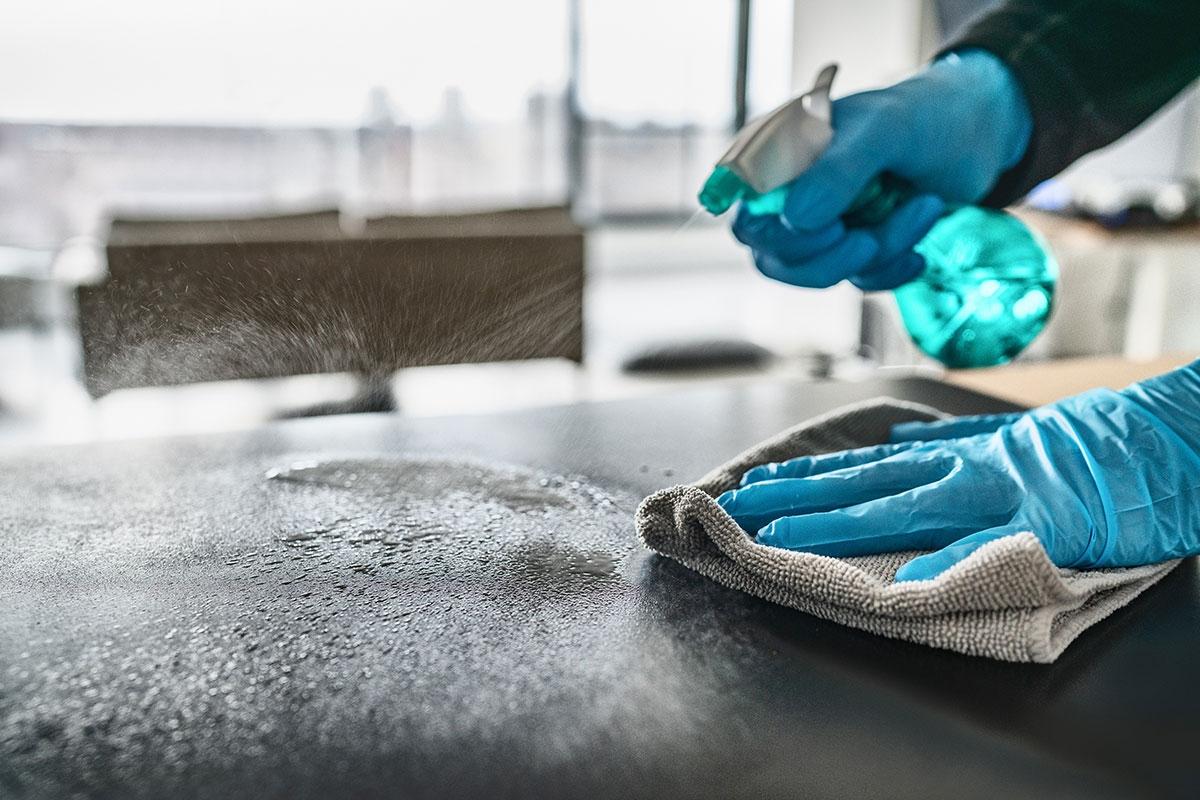
Before diving into room specifics, it helps to have a couple of universal rules that help you avoid damaging your apartment while cleaning.
Using abrasive tools
It can be tempting to want to scrape and scrub surfaces to get them as clean as possible. However, that leads to damage instead of true cleanliness. Avoid abrasive cleaning tools and don’t apply high amounts of pressure. If a spot of dirt isn’t coming up, try a different cleaning product. Cleaning solutions are designed to work on particular types of grime, so you might just be using the wrong one.
Using harsh cleaners
Harsh cleaners cut right through dirt, but they can cut through the surface you are trying to clean as well. Bleach has its time and place, but it should rarely be used for cleaning an apartment. It can discolor surfaces, break down grout, damage certain materials, and cause a whole host of problems. Try to use the gentler products and only use stronger ones on particularly stubborn spots.
Mixing different cleaners
Cleaners have carefully constructed formulas to make them as effective as possible. When you mix different ones, they might end up canceling each other out. In the worst-case scenario, combining products can create dangerous chemical reactions that result in toxic fumes and gases.
Using cleaners on the wrong materials
Always read the directions on your cleaning products to see what they can and can’t be used on. Vinegar is a great natural cleaning product but only for certain surfaces. It can get grease and dirt out like no other product but can easily damage metal, grout, hardwood floors, and more. Stick to hard plastic, glass, and non-stone surfaces if you’re using vinegar.
Overusing cleaning products
Less is more when it comes to cleaning solutions. Using too much can result in buildup, films, chemical stains, or bleaching that leave your apartment looking worse than when you started.
Kitchen
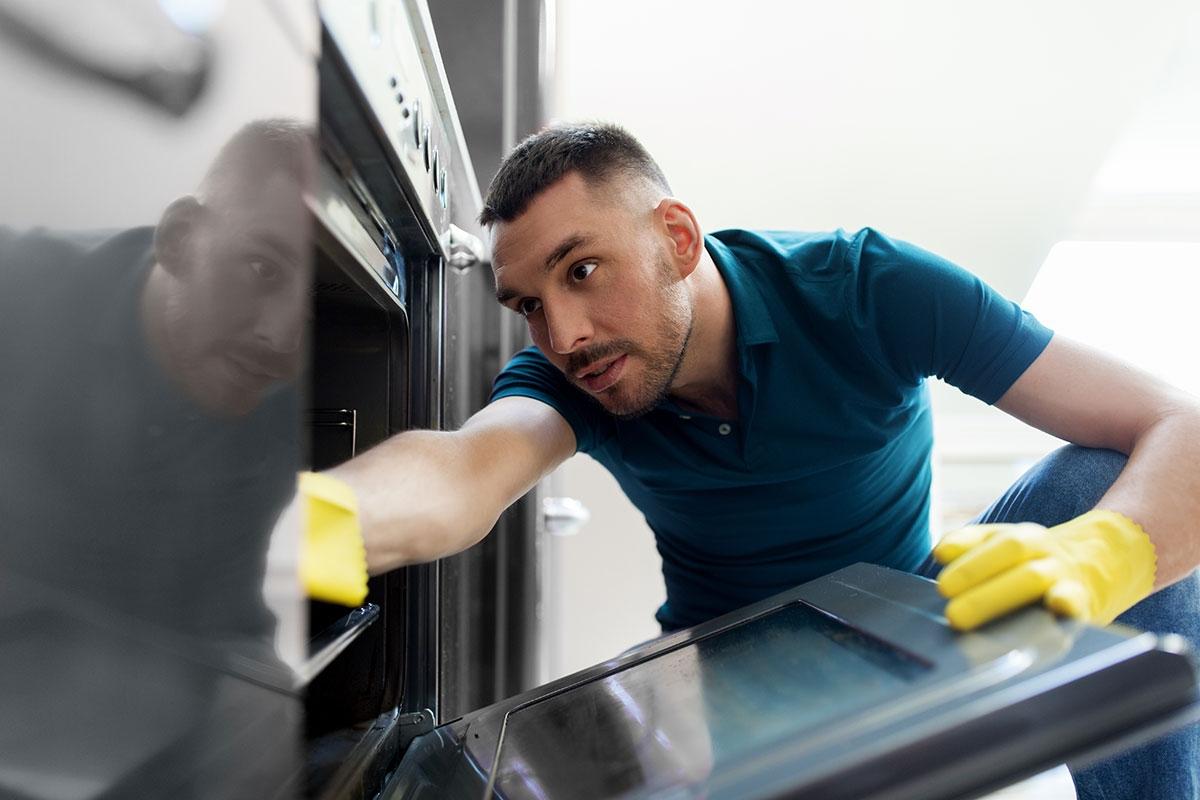
Kitchens contain a mix of surfaces that all require different care. Start out your general kitchen cleaning with warm water and soap and a soft sponge or cloth. Don’t soak your kitchen as you clean, just wipe everything down with your damp cloth. If there’s anything really stuck on, try using a stronger cleaner that is still safe for the surface instead of scraping. Sharp tools could potentially damage the surface.
How to clean appliances
Check cleaning products and appliance manuals to see how to properly clean them. If not followed, appliances can experience malfunctions or even completely break. For example, avoid harsh degreasers and spray cleaners in self-cleaning ovens.
Liquid and sprays can cause electronic malfunctions, which is why it’s better to spray the cloth and then wipe down the buttons, touch panels, or knobs. It also helps prevent excess amounts of liquid from seeping into where they’re not supposed to be.
Appliances can often get covered in stubborn grease, dirt, and leftover grime, but don’t chisel away at it with a sharp object. This can cause scratches and chips.
How to clean stainless steel
Clean stainless steel with a soft cloth and your choice of safe stainless-steel cleaners. These can be homemade, like mixing baking soda, vinegar, or dish soap with warm water, or you can opt to buy a stainless-steel cleaner from the store.
When it comes to tools, don’t use metal scouring pads, wire brushes, scrapers, or any other abrasive tool. For cleaning products, avoid bleach, glass cleaner, oven cleaner, ammonia-based cleaners, and anything grainy or corrosive.
Bathroom
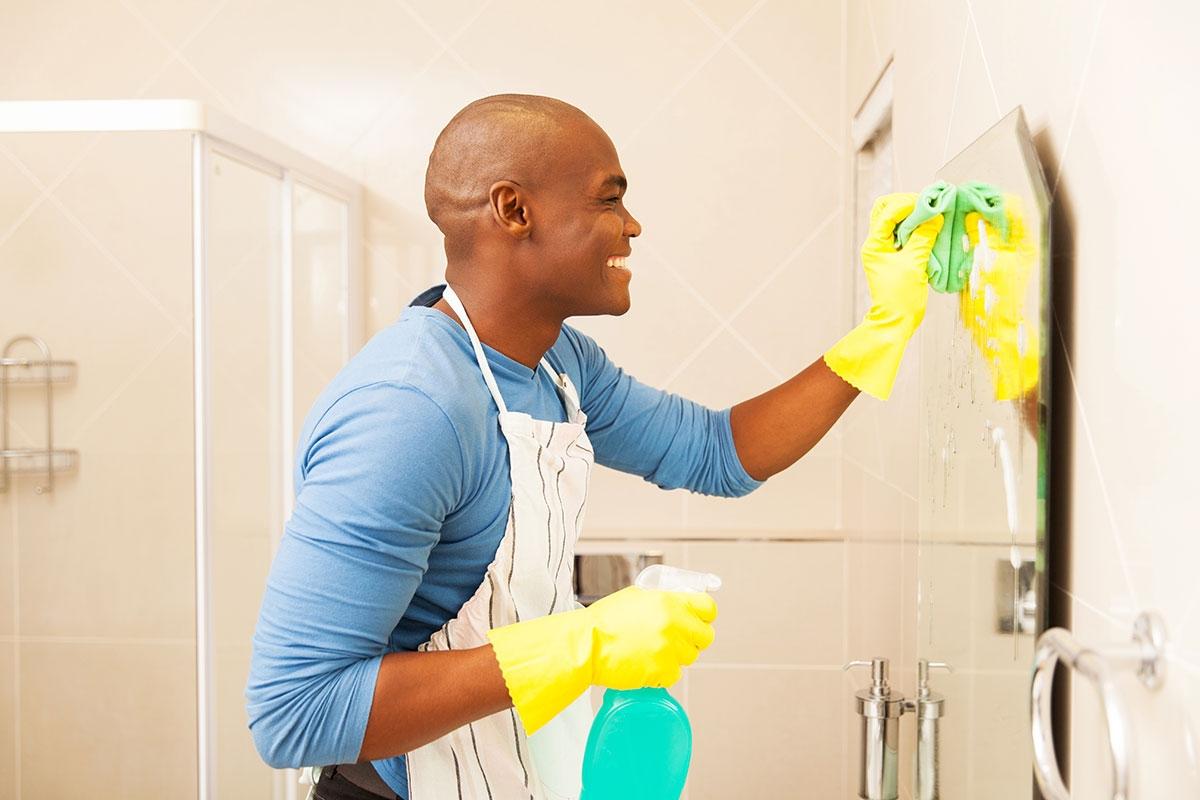
Bathrooms need frequent cleaning and doing a spring deep clean is a good way to start the cycle on the right foot. However, harsh methods can do lasting damage. Use cleaners that are non-abrasive and designed for the bathroom, tub, and tiles. Rinse thoroughly after cleaning to prevent buildup or chemicals sitting on surfaces too long and causing damage.
For stubborn spots, you may need a specific cleaner, like ones for mildew or mold. Ventilate and turn on the bathroom fan to prevent moisture damage and mold.
How to clean grout and caulking
Grout and caulking are spots that require a more delicate touch with a soft brush and gentle cleaners. When scrubbing, keep it on the gentler side as getting too aggressive can cause peels, tears, or chips.
Living Room and Bedrooms
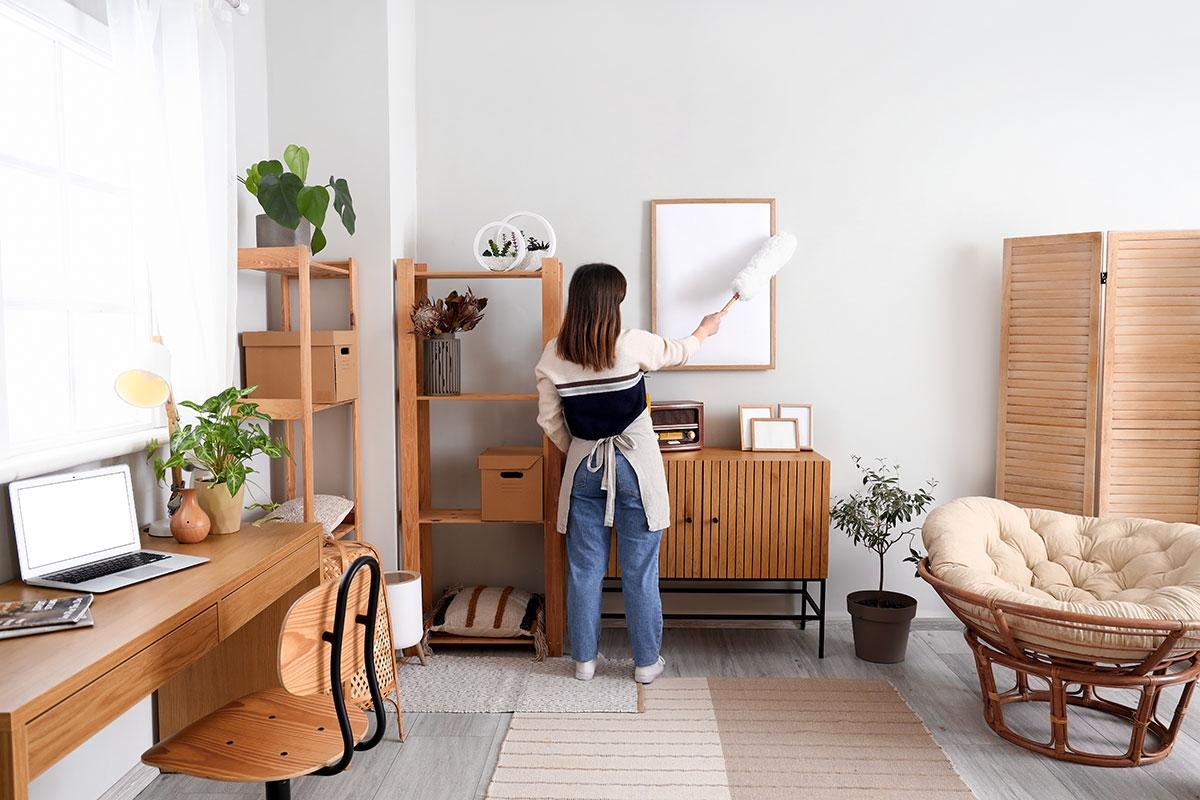
Walls, baseboards, windows, and floors all quickly show damage when cleaned the wrong way. Using the right approach and tools keeps these highly frequented areas looking like new.
How to clean baseboards and trim
Baseboards are often overlooked during cleaning, but they have a huge impact on how clean your apartment looks. Start by dry dusting them with a microfiber cloth or a vacuum brush attachment to get any loose dirt or debris.
For stuck-on grime, gently scrub with a cloth dampened with a mix of soap and water. Avoid soaking the area as excess water can seep under or behind the trim and cause wall damage.
How to clean walls
Wall marks are common cleaning spots that renters target, but aggressive cleaning can do more harm than good. Start by dry dusting the walls before spot cleaning. When spot cleaning, use a barely damp cloth dipped in a mix of water and dish soap. Avoid stronger cleaners or sprays as these can remove paint. Don’t excessively wet your cloth as too much moisture can lead to drip marks, bubbling, or paint separation.
Cleaning sponges, like Magic Erasers, are a popular cleaning tool, but use these with caution on walls. These sponges are abrasive and can remove paint or damage the wall’s finish if you scrub too hard. Test them first in an unnoticeable area and apply light pressure. Avoid brushes, scrub pads, or coarse sponges entirely, as they can strip paint and leave visible marks.
How to clean windows and blinds
The biggest mistake you want to avoid when cleaning windows is using any tool that could scratch the glass. Use a standard glass cleaner and a microfiber cloth for a streak-free finish.
Dust blinds carefully with a duster or a vacuum brush attachment. Most of the time, dusting is sufficient. If blinds need deeper cleaning, use a soft cloth to wipe them down with mild soap and water solution. Dry them immediately, especially if they are made of wood, to avoid warping or staining.
How to clean floors
Apartment floors vary widely, and using the wrong cleaner is a fast way to lose part of your security deposit. Always choose a cleaning product made specifically for your flooring type, and never mix it with other products. If you’re unsure what kind of flooring you have, check with your landlord before you start cleaning.
Avoid steam mops on hardwood, vinyl, laminate, or wood-like floors. Heat and moisture can warp planks, damage finishes, and leave marks that landlords consider permanent damage. A damp mop is a safer option and limits excess water that can seep into seams and cause problems with adhesive.
For carpet stains, stick to gentle carpet cleaners and spot test a corner or edge first. Be careful not to oversaturate the spot as this can lead to further discoloration. Skip making your own carpet cleaner as these can bleach the carpet or leave a residue that attracts even more dirt.
Make Apartment Living Easier with Renterverse
Apartment living has some unwritten rules, especially when it comes to cleaning and upkeep. Knowing how to care for your space in renter-friendly ways helps you feel more at home while avoiding unnecessary stress or surprise costs later.
The Renterverse blog supports renters through every stage of apartment living, from everyday cleaning questions to move-out prep and long-term care habits. Exploring renter-focused articles on Apartments.com gives you practical guidance designed for rental life, so you can take care of your apartment with confidence and focus on enjoying the space you live in.
FAQs
Do you have to clean to get your security deposit back?
Yes, in most cases you do need to clean your apartment to get your security deposit back. Renters are expected to return the unit in the same condition as when they moved in, aside from normal wear and tear.
How clean does your apartment have to be when you move out?
Your apartment should be “move-in ready” clean when you move out. That means surfaces are wiped down, appliances are cleaned, floors are swept or vacuumed, bathrooms are sanitary, and trash is removed.
You do not need to make the apartment look brand new, but it should be clean enough that another renter could reasonably move in without needing extra cleaning. Taking the time to clean thoroughly (without causing damage) helps reduce the risk of deposit deductions.
How do I get rid of a bad smell in my apartment?
There are many renter-friendly solutions you can try to fix a smelly apartment before it becomes a bigger issue. Start by finding and removing the source of the odor, since smells often come from trash, cooking, pets, moisture, or poor airflow.
For ongoing smells, focus on neutralizing odors instead of covering them up. If odors are tied to moisture or do not improve, it may signal a maintenance issue that should be reported to property management.
What do I do if I find mold in my apartment?
If you find mold in your apartment, avoid touching it and do not try to remove large areas yourself, since mold is often caused by underlying issues like leaks or poor ventilation. Take photos to document where the mold appears, then notify your landlord or property management right away so they can address the source. Reporting mold promptly helps protect your health and creates a record that you acted responsibly, which is important for habitability concerns and your security deposit.


